No title? No problem in most cases. Free towing, cash on the spot.
Published October 19, 2026 by Instant Money Junk Cars
If your car needs a jump start every time you turn the key, something is draining it overnight, and the chase to find it can get expensive fast. Before you spend another dollar on batteries, it is worth asking whether the car is worth the hunt. Selling a car that needs a jump every morning is one of the most common as-is sales there is, and the buyer handles the loading.
A dead-every-morning car has three usual suspects: a dying battery, a failing alternator, or a parasitic drain from a module that never sleeps. Each has a different fix cost, and on an older car the diagnostic labor alone can exceed the car's worth. This guide covers the usual culprits, the cost-benefit of chasing them, and how to sell as-is when the math says stop.
Usually one of three things. A dying battery is the simplest: batteries last three to five years in Florida heat, often less, and a weak battery will not hold a charge overnight. A failing alternator is the next suspect: it does not recharge the battery while driving, so every start drains a little more until the car will not start at all. The third is a parasitic drain, an electrical draw from a module, light, or accessory that stays awake after the car is off and empties the battery while it sits.
The battery is the only one you can reasonably test yourself: most auto parts stores test batteries and charging systems for free. If the battery tests good and the car still dies overnight, you are in alternator or parasitic-drain territory, which is shop work. Before you authorize that work, it is worth knowing the car's as-is value, because how junk car offers are calculated shows how little electrical issues discount a car that is otherwise what it is.
On a valuable car, yes. A proper parasitic-drain diagnosis, measuring current draw and pulling fuses one circuit at a time, is skilled labor that takes hours, but on a car worth keeping it is money well spent. The fix is often a single module or a stuck relay, and the car returns to normal. If the car is otherwise solid, this is a repair worth doing.
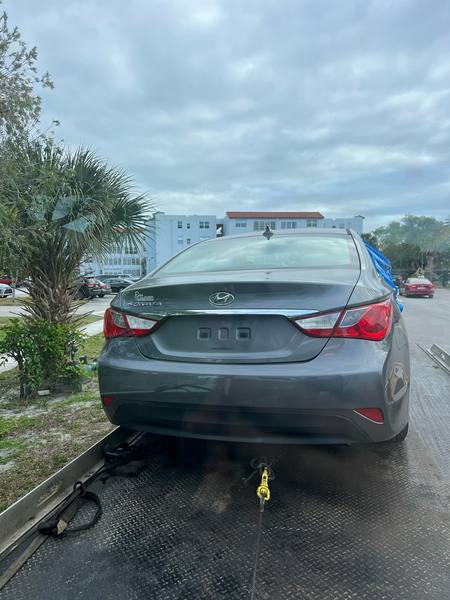
On an older car, the math flips. Diagnostic labor bills by the hour whether the tech finds the drain in twenty minutes or four hours, and the repair on top of that can exceed what the car is worth. There is a particular trap here: replacing the battery first, then the alternator, then paying for the drain diagnosis, each step spending money without solving anything. If the car is near the end of its economic life, the rational move is to stop spending and sell the non-starting car as it sits. Our article on selling a car that stalls covers the same repair-versus-sell framework for another electrical-adjacent symptom.
Only if the battery is the actual problem. A new battery in a car with a parasitic drain is a temporary fix: the drain will kill the new battery too, sometimes within days, and you will have spent the money without learning anything. The same applies to a failing alternator, which will undercharge the new battery until it dies as well. Replacing parts by guessing is the most expensive diagnostic method there is.
The disciplined sequence is: free battery and charging-system test first, then a decision. If the tests point at the battery, replace it and move on. If they point deeper, get the car's as-is number before authorizing shop time. Requesting an online quote takes minutes and gives you the floor of the decision. Cars that do not start are a standard purchase category, and the offer reflects the car, not the electrical mystery.
Plainly: the car needs a jump to start, the battery's age if you know it, and what you have tried. "Needs a jump every morning, battery is two years old, parts store said the battery tests fine" is a perfect description. It tells the buyer the likely category without pretending to a diagnosis you do not have. Accurate descriptions get accurate offers, and offers based on accurate descriptions hold at pickup.
Do not try to hide it, either. A buyer who arrives to find a car that will not start, after being told it runs fine, will reprice on the spot, and rightly so. The as-is market exists precisely for cars with known problems; the discount for honesty is always smaller than the penalty for a surprise. The vehicles we have recently purchased include non-starters as a matter of routine.
Simple. You accept the offer and schedule a window; the driver jumps the car or winches it onto the truck, and pickup follows the standard flow. Free towing applies, so the dead battery costs you nothing extra. Have the title and your ID ready, and make sure the car is accessible: if it is blocked in by other vehicles, move them before the truck arrives.
If parking pressure or a dead battery in a garage is adding urgency, a fast sale is available the same day across South Florida. Payment happens at pickup once the paperwork checks out. Call 954-787-5717 with the year, make, model, and an honest account of the starting problem, and you will have a firm number within minutes.
FAQ
Call 954-787-5717 for a cash offer. Free towing, cash on the spot, pickup usually within about an hour.
954-787-5717
 954-787-5717