No title? No problem in most cases. Free towing, cash on the spot.
Published October 19, 2026 by Instant Money Junk Cars
If a dealer offered too little for your car, you are not stuck with that number. Trade-in appraisals are opening bids priced for the dealer's resale margin, not final verdicts on your car's worth, and sellers who arrive with a competing written offer routinely get a better figure.
This is your playbook: why the first number looks the way it does, what to say in the moment, how a competing cash offer changes the dynamic, and what to do if the dealer still will not move.
Dealers price trade-ins at wholesale because every car they take in must be reconditioned and resold at a profit. The appraisal starts from wholesale market data for your year, make, and model, then subtracts for tires, brakes, cosmetic issues, warning lights, and anything else the reconditioning department will have to address. That math is legitimate, but it is also only one buyer's math, tuned to one resale channel with one cost structure.
There is a second factor most sellers miss: the trade number moves with the rest of the deal. A dealer with healthy margin in the car you are buying can afford to be generous on the trade; a dealer discounting the new car aggressively may hold the trade low to protect the overall profit. The two numbers are connected, which is why negotiating them as one blurred figure usually favors the house. Separate them in your head, and get an independent cash number before you sit down. Our guide to negotiating a cash offer explains how that outside number becomes leverage.
Appraisers look for the same things any wholesale buyer looks for, and each finding has a price. Worn tires and brakes due for replacement are among the most common deductions, because the dealer must make the car retail-ready. Cosmetic damage, paint work, and interior wear get priced per panel or per repair. Warning lights trigger deeper discounts since they signal unknown diagnostic costs. Missing keys, absent service records, and aftermarket modifications round out the usual list.
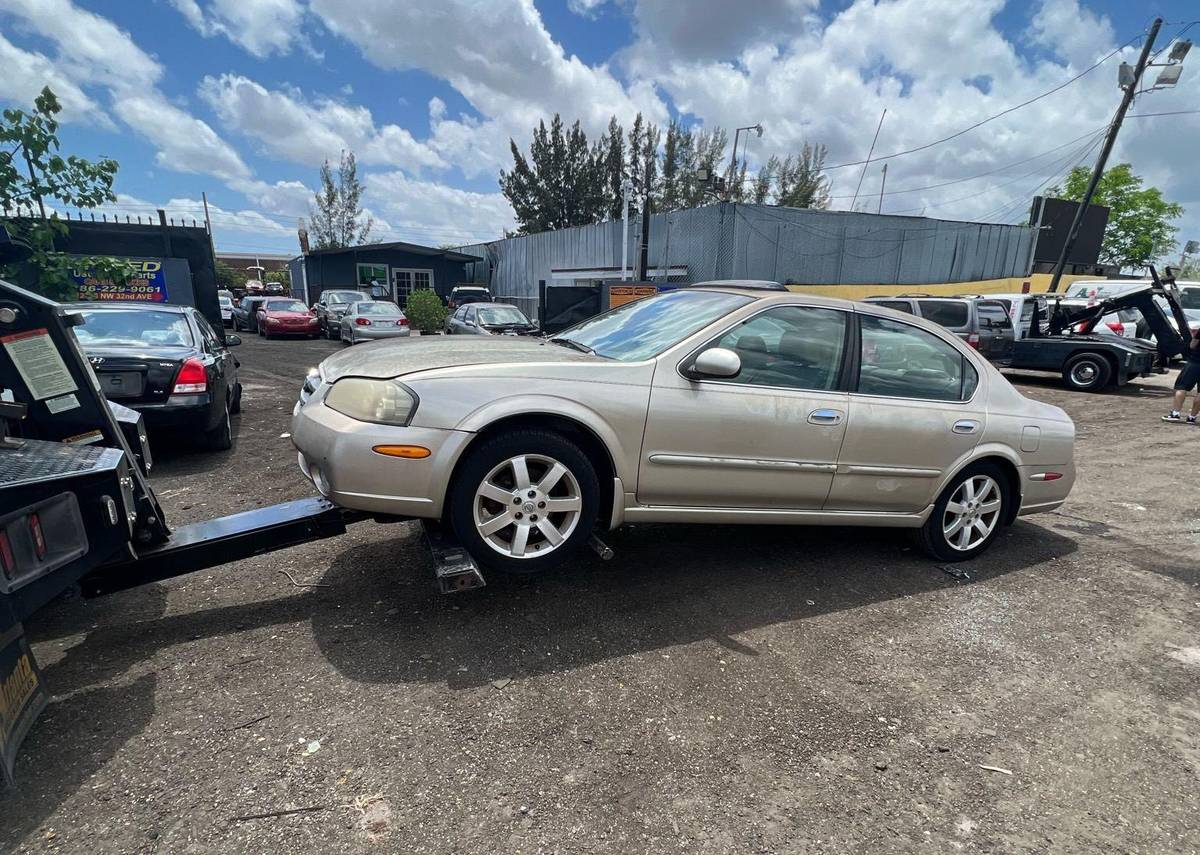
Some of this you can address cheaply before the appraisal, and some you cannot. A second key fob is often worth replacing; a dashboard full of warning lights usually is not worth chasing. What matters most is knowing which deductions are real and which are padded, and the only way to tell is a second opinion. A competing cash buyer evaluates the same car with a different cost structure, which is why an independent trade-in cash quote is worth getting before you accept the dealer's framing.
Stay calm and do not react to the first figure. Ask the appraiser to walk you through the deductions, and write them down. Then ask a direct question: is there room to improve the trade value if we are close on the new car? This keeps the conversation professional and signals that you are comparing options rather than begging. Never accept a trade number in the same breath it is presented. Tell them you need to think it over, and mean it.
If you already have a written cash offer, this is the moment to use it. Present it plainly: another buyer will pay this amount, today, with free pickup. Ask the dealer to beat that number after accounting for the tax credit. That reframes the discussion from a take-it-or-leave-it appraisal into a negotiation with a floor, and it is remarkable how often the trade number improves once the alternative is concrete. Our breakdown of Florida's trade-in tax credit shows exactly how to add the credit into that comparison.
Preparation starts at home, not at the dealership. Get your independent cash offer first, while you are calm and unhurried, so the number is already in your phone when the trade discussion begins. Calculate the tax credit for your expected trade value using your county's tax rate, and write down the effective trade value you need the dealer to beat. Clean the car and gather the title, all keys, and service records the night before, because missing keys and a messy car hand the appraiser easy deductions.
Set your walk-away number in advance and commit to it. Decide the minimum effective trade value you will accept, and promise yourself you will leave if the dealer cannot reach it. That single decision, made before any salesperson is talking, is what keeps the visit rational. Sellers who arrive with a number, a floor, and a plan routinely do better than sellers who arrive hoping the dealer will be fair. Review the common dealer fees before you go, so no line item surprises you at the finance desk.
Then you sell the car separately, and that is a perfectly good outcome. You are never required to trade a car in as part of a purchase. Sell to the cash buyer, take the new-car deal without a trade, and keep the two transactions clean. Just recheck the tax credit math first: in Florida, giving up the trade usually means giving up the credit, so confirm the cash offer still wins without it before you walk.
Watch for the fees on the way out, too. Some dealers add documentation fees, reconditioning charges, or other line items that quietly eat into whatever the trade number gained. Our guide to dealer fees when selling lists the common ones to question. And if you decide to sell outright, selling your used car fast can close the same day, with reviews from South Florida sellers who made the same call. For the broader comparison, cash buyer versus dealer trade-in lays out both paths. When you are ready for the number that starts the negotiation, one call to 954-787-5717 gets you a firm offer, and recently purchased cars shows the range we buy every week.
FAQ
Call 954-787-5717 for a cash offer. Free towing, cash on the spot, pickup usually within about an hour.
954-787-5717
 954-787-5717