No title? No problem in most cases. Free towing, cash on the spot.
Published October 19, 2026 by Instant Money Junk Cars
If you are trying to sell a junk car with tickets attached to it, here is the short answer: the tickets do not block the sale. Parking tickets follow the registered owner and the license plate, not the vehicle itself, so unpaid tickets do not prevent a buyer from purchasing your car. The longer answer is that the tickets are still your problem, and this guide covers what to handle before, during, and after the sale.
This is a practical edge case that comes up more often than people expect, because cars that accumulate tickets tend to be cars that sit: expired registrations, street-parked non-runners, vehicles an owner stopped driving months ago. The good news is that the sale itself is straightforward. The paperwork around it just needs a little care.
No. A junk buyer is purchasing the vehicle, and parking tickets are assessed against the owner and the plate, not against the car's title. The buyer does not inherit your tickets, and the tickets do not reduce what the car is worth to a buyer who will dismantle or scrap it. This separation is what makes the sale simple: the vehicle's value is a function of its parts and metal, while the tickets are a separate obligation between you and the issuing authority. When you get an online quote, the tickets are not a pricing factor and do not need to be part of the negotiation. Mention them only as context if you like; they change nothing about the offer. What matters for the sale is the same as any other: the car's condition, the title, and your ID. How pickup works shows the standard process, which applies unchanged when tickets are in the picture.
Not for the sale itself, but yes for your own finances. Unpaid tickets do not block the transfer of the vehicle, but they do follow you: they can block registration renewal on your other vehicles, accrue late penalties, and eventually end up in collections. Clearing them is wise regardless of the sale, and doing it before the car is gone keeps the timeline clean. One related question sellers ask is whether tickets can become a lien on the car. Parking tickets themselves typically do not create vehicle liens, but related court judgments can complicate your finances in other ways, which is another reason to resolve them. If the tickets are tied to a registration you plan to keep, how registration refunds work in Florida is worth reading alongside this.
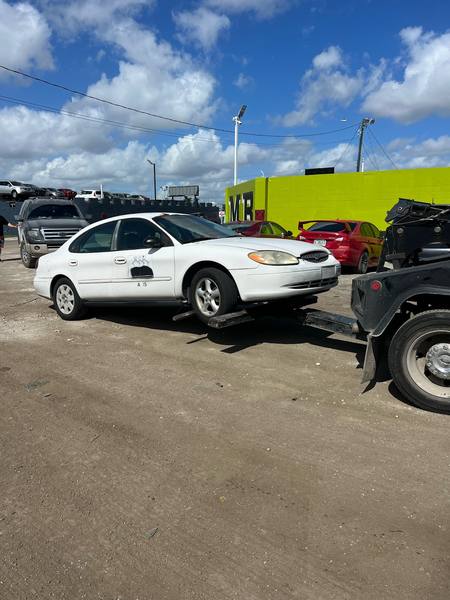
In Florida, license plates stay with the owner, not the vehicle. When you sell the car, you remove your plate and handle it separately: transfer it to another vehicle, surrender it, or keep it according to your plans. This matters for tickets because the plate is where the ticket history lives. Do not leave your plate on a car you are selling; once the car is out of your hands with your plate still on it, any new tickets or tolls attach to you. Remove the plate at pickup, before the truck leaves. If there are co-ownership complications around the title, selling a co-owned car in Florida covers how to handle the paperwork when more than one name is involved.
The tickets do not affect the car's value to a junk buyer, so there is no pricing disclosure to make. But keeping your own paperwork clean is still your responsibility, and the broader principle of honest disclosure protects every sale. What the law requires you to disclose when selling covers the items that actually matter to a buyer, such as title brands and known defects. While you are clearing the car, remove any toll transponder as well; a SunPass or similar device left in a sold car can rack up charges on your account long after the vehicle is gone, and deactivating or removing it takes less than a minute. The practical checklist at pickup is short: remove your plate, pull the transponder, sign the title over completely, get a bill of sale and a receipt, and photograph everything. Once the transfer is recorded, the car and its future are the buyer's business, and your tickets remain a separate matter between you and the issuing authority.
Handle it in this order. First, get your quotes and choose a buyer as normal; the tickets change nothing here. Second, check the total ticket balance with the issuing authority so you know what you owe, and note any deadlines, since some jurisdictions add penalties on a fixed schedule. Third, schedule the pickup, remove your plate when the truck arrives, complete the title transfer and paperwork, and collect payment. Fourth, pay or set up a plan for the tickets on your own timeline. The car sale and the ticket resolution are two separate tracks, and keeping them separate is what keeps the process simple. When you are ready, selling your car fast follows the same steps as any other sale, and recently purchased vehicles shows the range of cars that move through the process every day.
FAQ
Call 954-787-5717 for a cash offer. Free towing, cash on the spot, pickup usually within about an hour.
954-787-5717
 954-787-5717