No title? No problem in most cases. Free towing, cash on the spot.
Published October 19, 2026 by Instant Money Junk Cars
Your junk car's offer does not come from nowhere. It moves with steel prices most sellers never watch, and understanding how scrap prices affect junk car value explains why quotes shift month to month and why two cars that look similar can be priced differently. Roughly three-quarters of a vehicle's weight is recyclable steel, and that steel is a commodity with a price that changes weekly.
This guide traces the path from the global steel market to the number you are quoted, explains what matters more than scrap, and answers the timing question every seller asks: should you wait for better prices. The short answer to that one is no, and the reasoning is worth understanding.
The chain is short. Your car is mostly steel by weight; when it reaches the end of its life, that steel is shredded, sorted, and sold to mills as scrap. The scrap price per ton, set by global steel demand, tariffs, and economic cycles, determines what the shredder pays the yard, which determines what the yard pays the buyer, which sets the floor under your offer. Every buyer in the chain takes a margin, so the scrap value of your car is not what you receive; it is the baseline the buyer's offer is built on top of. For a true end-of-life car with no valuable parts remaining, most of the offer is this scrap floor. What affects a junk car's value breaks down the full pricing stack, and how junk car offers are calculated shows the same math from the buyer's desk.
Weekly, in the published indices, with the moves flowing through to local buyers over days and weeks rather than instantly. The drivers are macroeconomic: construction and manufacturing demand, trade policy and tariffs, energy costs for mills, and the general economic cycle. When demand is strong, scrap prices rise and the floor under junk car offers lifts with them; when demand softens, the floor drops. These moves are real but modest at the level of a single car: a meaningful swing in the steel market might move your offer by tens of dollars, not hundreds. The junk car market report tracks the forces moving offers across the region, which puts any single week's move in context. For historical perspective on where real payouts have landed, what junk cars actually sold for in South Florida shows completed transactions rather than theoretical pricing.
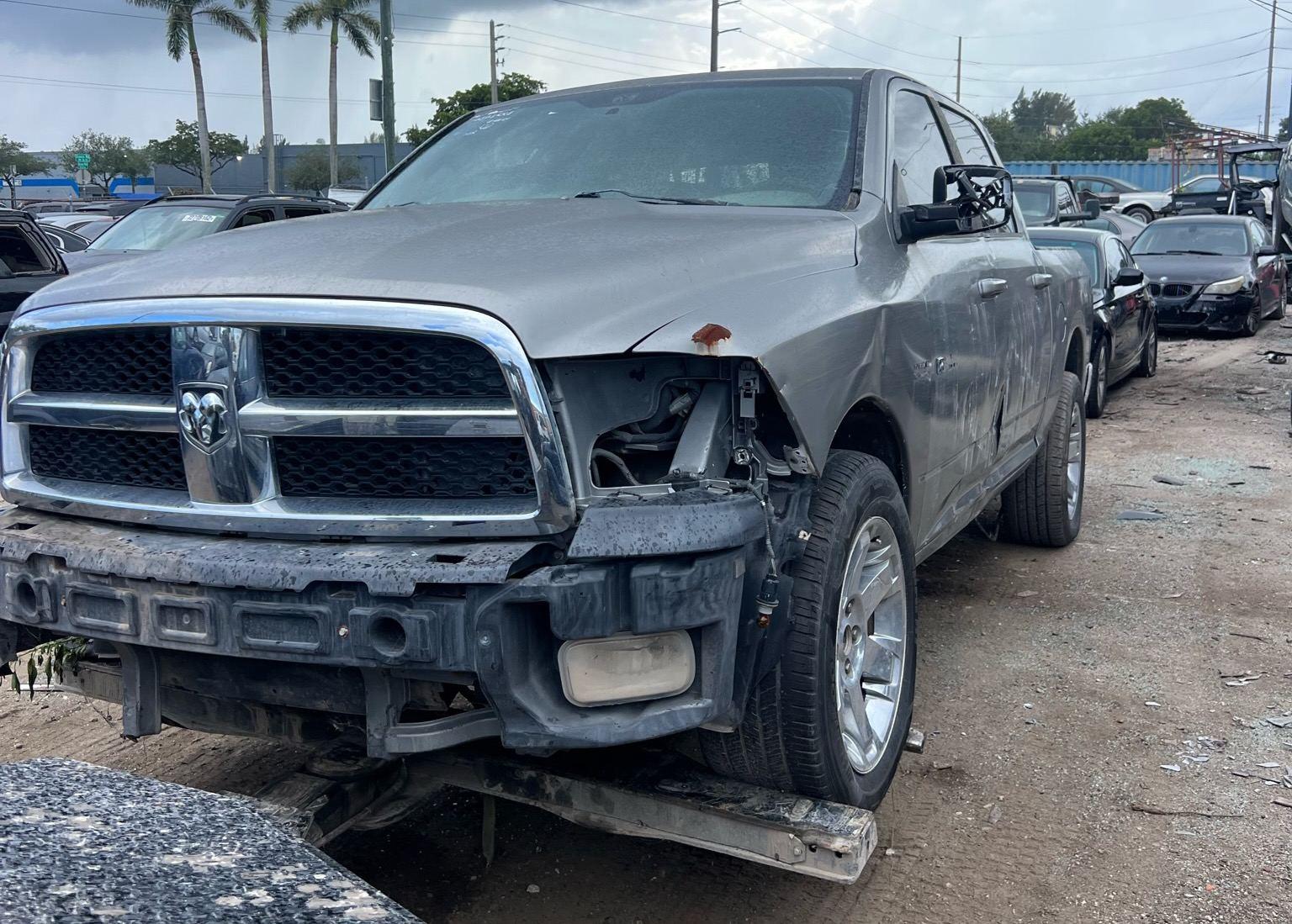
Parts value, by a wide margin. A car with a running engine, a good transmission, straight body panels, or in-demand electronics is worth more than its weight in steel, sometimes much more. Buyers with dismantling operations price these components individually, which is why two cars of identical weight can receive very different offers. Condition details that have nothing to do with steel, like whether the car still drives, whether the interior is complete, and whether high-demand parts are intact, routinely move the number more than a month of scrap market movement. The catalytic converter is a good example: its precious-metal content is priced separately from the steel around it, which is why its presence or absence shows up in the offer independently of weight. This is also why real junk car prices in South Florida show a range rather than a single number: the range reflects parts value layered on top of the scrap floor. When you compare why offers vary between buyers, you are mostly seeing different buyers pricing the parts layer differently.
No. Timing the scrap market for a single car is a losing trade for three reasons. First, the moves are small relative to the offer; waiting three months for a better steel market might gain you less than the registration renewal you pay while waiting. Second, your car deteriorates while it sits: tires flat-spot, fluids degrade, and parts that were valuable slowly become less so. Third, you cannot predict the market anyway; steel prices fall as often as they rise, and waiting can just as easily cost you. The rational move is to get three written quotes now, because buyers bake the current market into every offer automatically. If the quotes cluster, that cluster is the market today, and today is when you have the car. An online quote reflects current conditions by construction.
The same way in any market: accurate description, multiple quotes, clean terms. Describe the car's condition honestly, including the valuable parts, so buyers price the parts layer correctly. Collect at least three written quotes on the same day so the scrap market is constant across them and the differences reflect buyer models, not timing. Confirm free towing and payment at pickup in writing, since terms are part of the price. Then choose the firmest offer from the most reputable buyer. Our own history across 303 completed purchases ran from $150 to $1,300 with a $525 median, which illustrates the range a real market produces; past results describe history, not a promise about your car. When the quotes are in, how pickup works covers the collection, and selling your car fast converts the quote into cash without waiting on a commodity market you cannot control.
FAQ
Call 954-787-5717 for a cash offer. Free towing, cash on the spot, pickup usually within about an hour.
954-787-5717
 954-787-5717