No title? No problem in most cases. Free towing, cash on the spot.
Published October 19, 2026 by Instant Money Junk Cars
Selling a car to a family member in Florida sounds simple until the title, insurance, and tax questions arrive. A handshake deal between relatives still needs the same legal transfer as a sale to a stranger, and skipping steps that feel like formalities can create real problems later: toll violations in your name, insurance disputes, or a buyer who cannot register the car. Doing it cleanly takes one careful afternoon.
This guide covers the bill of sale, the gift versus sale decision, insurance timing, license plates, and the DHSMV paperwork that actually transfers ownership. And if the family sale gets complicated, remember the alternative: a direct cash sale to a buyer who handles every document, with the proceeds available to help family however you choose.
Yes. Even between family, a written bill of sale with the price, the date, both parties' names, and the VIN protects everyone if questions come up later. Memories differ and relationships change, but a signed document does not. It establishes when ownership transferred, what was paid, and that the sale was as-is, which matters for insurance timing and liability alike.
Keep it simple but complete: full names, addresses, the vehicle year, make, model, and VIN, the sale price, the date, and both signatures. Both parties should keep a copy. This is the same documentation discipline that professional buyers follow on every transaction, and it is what makes Florida title transfers go smoothly at the tax collector's office.
Gifts and sales are taxed and titled differently in Florida, so the right choice depends on your situation. A genuine gift between qualifying family members can avoid certain taxes, but it still requires proper title transfer with the gift documented. A nominal sale, selling for a token amount, still needs the full transfer process and may be scrutinized if the price is far below market value.
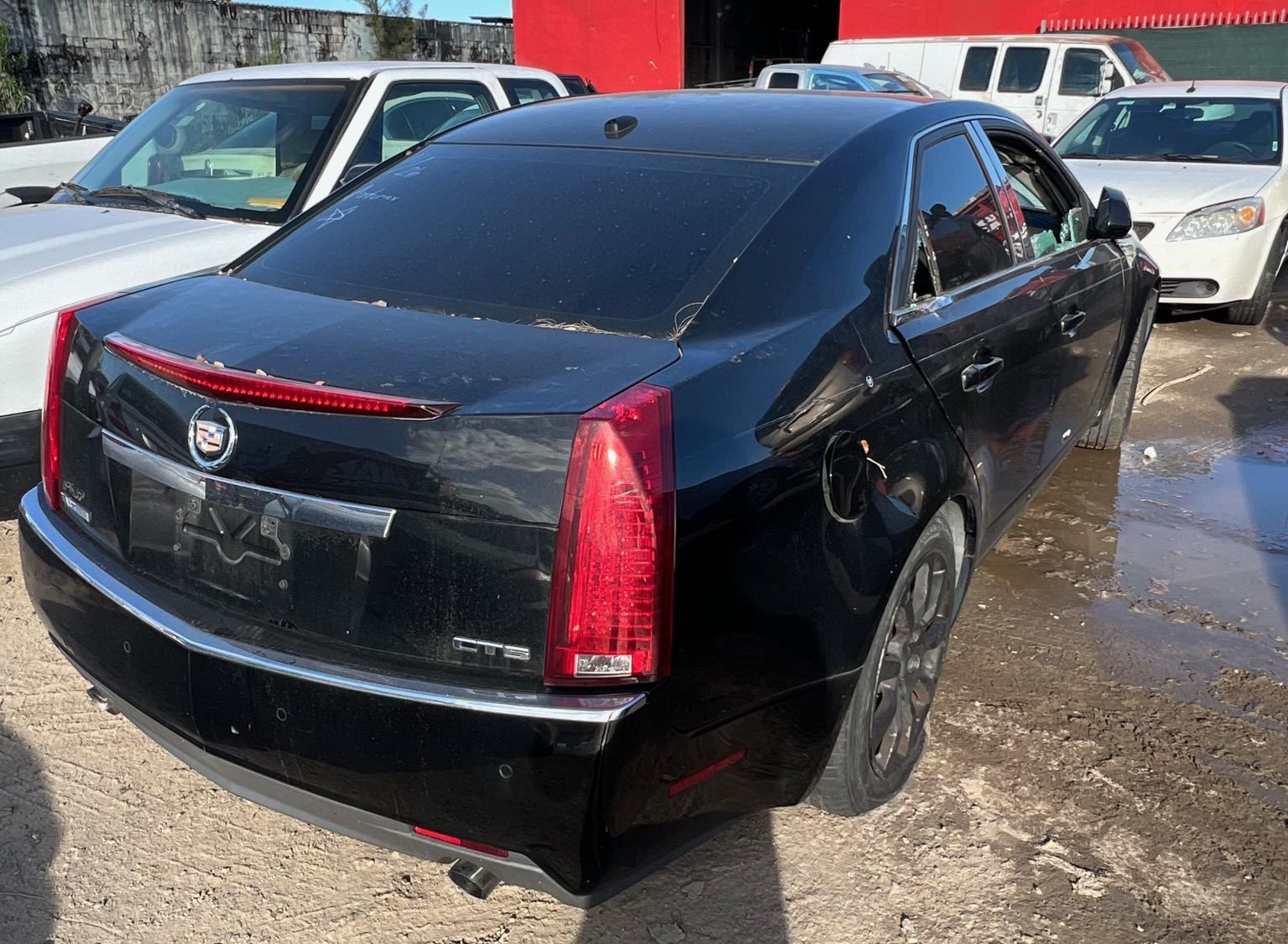
Do not try to be clever with the declared price. Understating the value to dodge taxes can create problems at registration and beyond, and the savings are rarely worth the risk. Document whichever path you take honestly, and if the tax implications are significant, a brief consultation with a tax professional costs less than a mistake. For the related question of when coverage ends, our insurance cancellation guide pins down the exact timing.
There is one more scenario worth naming: the family member who cannot afford the car but needs transportation. In that case, the cleanest structure is often to sell the car yourself to a cash buyer and gift the proceeds, rather than transferring a vehicle with a loan, insurance complications, and maintenance costs to someone unprepared for them. Cash is simpler to give than a car, and it lets the recipient choose what they actually need.
Coordinate the exact handoff. The seller keeps coverage until the title transfers, and the buyer insures the car from that moment. The dangerous gap is the period between handing over the keys and completing the paperwork, when it is unclear whose policy covers the car. Eliminate it by completing the transfer and the insurance change on the same day.
Call your insurer before the transfer, not after. Confirm the date your coverage ends, get it in writing, and make sure the buyer has an active policy or binder before they drive away. Lenders add another wrinkle: if either party is financing, the lender will have insurance requirements that must be satisfied continuously. This is one area where family informality causes the most damage, because everyone assumes someone else handled it. Our Florida registration refund guide covers the related step of recovering unused registration fees after the sale.
In Florida, plates generally stay with the seller, not the car. Remove your plate at the time of sale and either transfer it to your next vehicle or surrender it. Do not let a family member drive away on your plate, because tolls, red-light cameras, and parking violations will come to you until the plate is off the car and out of your name.
The buyer will need their own plate or a plate transfer arranged at the tax collector's office during the title transfer. This is a common stumbling point in family sales precisely because it feels like a formality. Treat it as the liability issue it is: your plate, your responsibility, until it is transferred or surrendered. If the family member cannot complete the transfer promptly, consider whether a direct sale to a cash buyer followed by a financial gift is the cleaner way to help.
No. Title transfer at the DHSMV or tax collector's office is what legally moves ownership, family or not. Until the title is transferred, you are still the owner of record, with all the liability that entails. A bill of sale between relatives documents the agreement, but only the state's title transfer changes the legal reality.
Complete the transfer promptly, ideally the same day as the sale. Bring the signed title, the bill of sale, both parties' IDs, and proof of insurance for the buyer. Both parties appearing together makes it simplest, though Florida allows properly documented transfers without both present. If the family logistics are getting complicated, our power of attorney guide covers authorizing someone to handle it, and co-owned title sales address multi-owner situations. Check what sellers say about hassle-free transactions, then call 954-787-5717 if you would rather convert the car to cash today.
FAQ
Call 954-787-5717 for a cash offer. Free towing, cash on the spot, pickup usually within about an hour.
954-787-5717
 954-787-5717