No title? No problem in most cases. Free towing, cash on the spot.
Published October 19, 2026 by Instant Money Junk Cars
Getting your car back after a theft is a strange kind of relief. The recovery is welcome, but the car that comes home is rarely the car that was taken. If you need to sell a stolen recovery car, the first thing to understand is that value is set by what came back, not by what left: the title status, the condition of what remains, and the math of repairing what is gone.
Theft recoveries are a distinct category for a reason. Insurance may have already paid out and taken ownership. The car may be branded on its title, stripped of wheels and electronics, or damaged in ways that only show up on a lift. This guide walks through how recovery affects ownership and value, what paperwork the sale needs, and the cleanest path from driveway to done.
Ownership after a theft recovery is a paperwork question, not a possession question. If your insurer declared the car a total loss and paid your claim, the insurer generally owns the vehicle, even if it is sitting in your driveway. If the car was found before a payout was issued, or you retained the car as part of your settlement, ownership may have stayed with you. The settlement documents you signed determine the answer, and they are worth re-reading before you talk to any buyer.
This matters because a buyer can only pay the legal owner. If you are unsure who holds the title, call your insurer and ask directly: who is the titled owner of record, and is there a lien or salvage brand on the title? When ownership is clear, the sale of a damaged vehicle follows the same basic path as any as-is transaction: title, ID, and a signed bill of sale.
A recovered car is priced on what remains. Thieves typically take wheels, tires, catalytic converters, stereos, airbags, and battery. Some cars come back with punched ignitions, stripped interiors, or frame damage from being driven hard. A buyer values the car on its remaining parts and scrap weight, minus the cost of making anything else of it. The theft itself is history; the condition is the number.
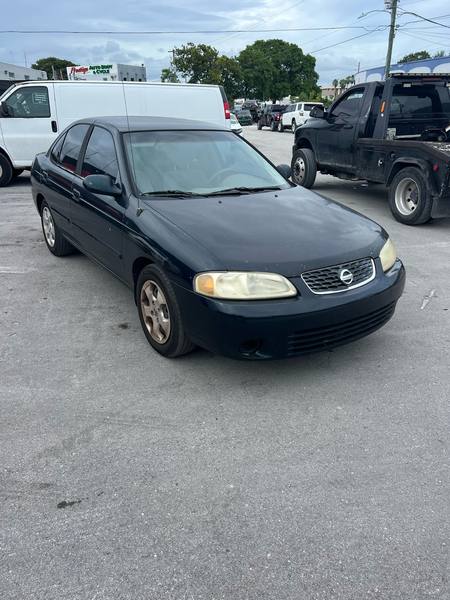
A title brand compounds the discount. In Florida, a car that was declared a total loss generally returns to the road only with a rebuilt title, and rebuilt-title cars sell for noticeably less than clean-title equivalents at retail. For a car headed to the as-is market, the brand matters less: cash buyers price theft recoveries, vandalism cases, and collision damage on the same practical basis. Our recently purchased vehicles include recoveries in every state of disassembly, which tells you how routine these sales are. If you want a second opinion on the history behind an offer, our piece on junk car scams to avoid explains how legitimate buyers document condition before pricing.
The core documents are the same as any Florida vehicle sale: the title, a government-issued ID matching the titled owner, and a bill of sale. For a recovery, add the insurance settlement paperwork, because it answers the ownership question and documents any brands on the title. If a lienholder was involved, you need the lien release or proof the lien was satisfied. Missing paperwork does not always block a sale, but it slows one, so gathering it before you request quotes is the single highest-value step you can take.
Disclosure is the other half of clean paperwork. Theft history shows on vehicle history reports, so stating it plainly costs you nothing and protects the sale. Our guide to disclosing damage when selling covers how honest disclosure actually keeps transactions on track rather than scaring buyers away.
Usually, no. Recovery damage is the worst kind of repair to fund: it is cosmetic and mechanical at once, spread across the whole car, and shops price it at retail while buyers value the finished car at wholesale. Replacing stolen wheels, tires, and a catalytic converter on an older car can easily exceed the car's post-repair value. Every dollar you spend narrows the gap between the as-is price and the repaired price without closing it.
The exception is a newer, low-mileage car where the damage is narrow, like a punched ignition on an otherwise clean vehicle. Even then, get the as-is number first. Requesting an online junk car quote costs nothing and gives you the floor of the decision: if the repair estimate is multiples of the as-is offer, the repair is a hobby, not an investment.
Recovered cars often cannot be driven: missing wheels, dead batteries, broken ignitions, or steering-column damage are standard. That is a logistics detail, not an obstacle. Buyers who purchase theft recoveries regularly tow them, and how junk car pickup works covers the standard flow: you accept the offer, schedule a window, and the driver handles loading. Free towing applies to cars, and payment happens at pickup once the title and ID check out.
If you are working against a deadline, such as a storage lot charging daily fees or an HOA complaining about the driveway, say so when you call. Selling a car fast is a matter of scheduling, and most recoveries can be picked up the same day the paperwork is verified. Call 954-787-5717 with the year, make, model, and an honest description of what came back, and you will have a firm number to decide on.
FAQ
Call 954-787-5717 for a cash offer. Free towing, cash on the spot, pickup usually within about an hour.
954-787-5717
 954-787-5717