No title? No problem in most cases. Free towing, cash on the spot.
Published October 19, 2026 by Instant Money Junk Cars
If you have ever wondered why your Carvana offer was so low compared to another site's number, you are not alone. Same car, three websites, three very different figures is the normal experience, not an error. Each online buyer runs its own pricing model with different inventory needs, regional demand, and risk tolerance, and the spread between their offers reflects their business, not your car's true value.
This guide explains what makes online offers diverge, which inputs move the numbers most, why instant offers sit below guide values, and how to tell whether any offer is fair. The punchline is simple: collect three or four quotes, including one from a local buyer outside the algorithm, and let the cluster tell you the market.
Because they are different businesses buying for different reasons. One buyer may need your exact model to fill inventory gaps in your region and will price aggressively to get it. Another may already hold too many of them and will price defensively. A third may weight mileage more heavily, or age, or accident history, based on how its model performed on past purchases. The inputs are similar. The weightings are not.
Regional demand adds another layer. A convertible prices differently in South Florida than in the Northeast, and buyers with strong local retail channels for a given vehicle type can pay more for it. This is why the spread is information, not noise: it tells you how badly each buyer wants your specific car. Our KBB instant offer explainer shows how one major pricing source builds its number, and why junk car offers vary covers the same dynamics at the older-vehicle end of the market.
Condition and mileage move offers far more than anything else. The difference between excellent and fair condition, as the questionnaire defines it, can shift the number by thousands, which is why honest, consistent answers across sites matter. An accident entry, a branded title, or high mileage for the year will move every offer downward, though by different amounts at each buyer.
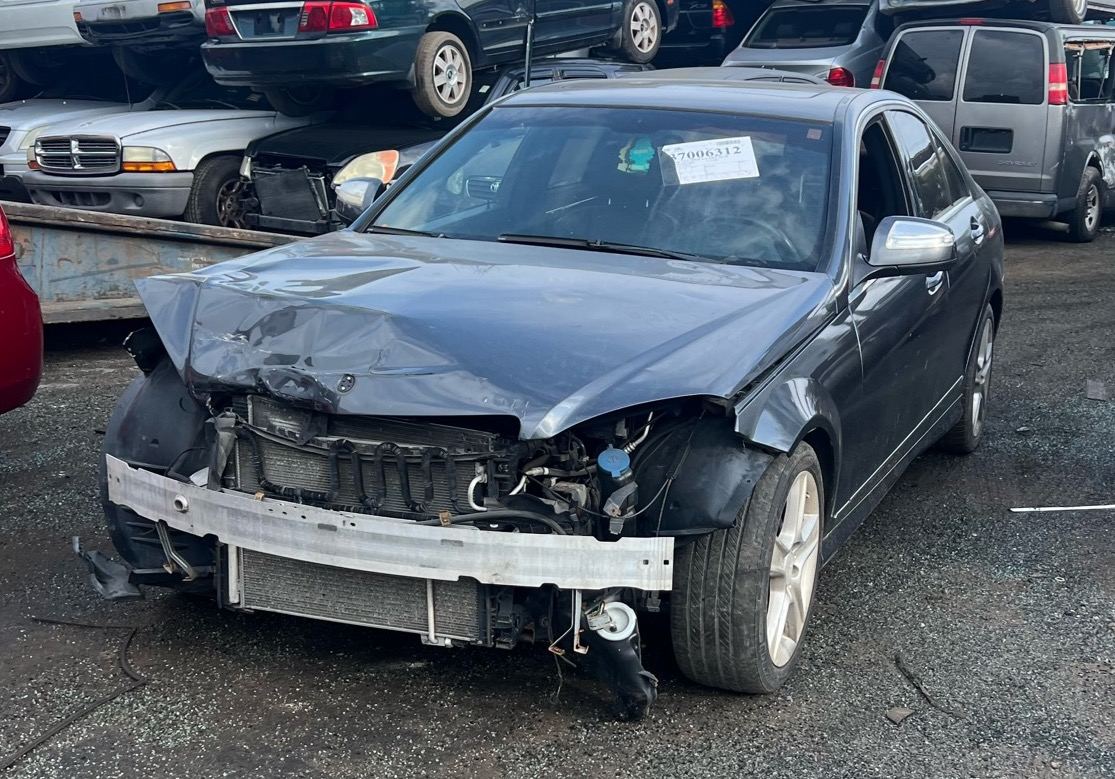
What moves offers least is the cosmetic detail sellers obsess over. A fresh detail, new floor mats, or a full tank of gas do not register in a pricing model. Neither does your emotional attachment or what you paid for the car originally. The model prices the vehicle's market position, full stop. Describe the car accurately and identically on every site, because inconsistent inputs produce a spread that tells you nothing. If you want a number built on an actual look at the car rather than a questionnaire, an online quote from a local buyer works differently by design.
Because guide values and buying prices measure different things. Published guide values are retail-oriented estimates of what a car might sell for to an end buyer, often in clean condition at a dealership. Instant offers are wholesale-based buying prices: what a company can pay today, recondition the car, and still earn its margin. A gap between the two is normal and expected, not evidence that anyone is cheating you.
The useful comparison is not guide versus offer. It is offer versus offer. Three independent buyers landing in the same range tells you the wholesale market for your car with far more authority than any guide. And if the whole cluster sits well below the guide, the guide is describing a retail transaction you are not having. Sellers who understand this distinction negotiate from reality, which is also the theme of our guide to offers dropping at pickup.
They can shift as market data updates, but day-to-day moves are usually small. The pricing models ingest auction results and retail transactions continuously, so a softening market will gradually pull offers down and a strong one will lift them. What moves an offer dramatically overnight is almost always an input change: a different condition selection, corrected mileage, or a newly disclosed accident.
The practical implication is not to time the market by the day. It is to move decisively once you have your quotes. Offers carry expiration windows, markets trend more than they spike, and a car sitting unsold keeps depreciating and insured. Get your numbers in the same week, compare them honestly, and act. Buyers who buy running cars locally give numbers that do not expire on a seven-day clock, which removes the timing pressure entirely.
Get three or four quotes. When independent buyers land in the same range, that range is the market, and any offer inside it is fair by definition. An outlier high deserves scrutiny, because offers that seem too good sometimes revise at pickup, and an outlier low deserves a second look at whether your inputs were consistent. The cluster is the truth. Everything else is commentary.
Then evaluate the full deal, not just the number: payment speed, towing, paperwork handling, and the buyer's reputation. A slightly lower offer paid in cash today with free towing can beat a higher offer paid by check next week. Check what sellers say about the complete experience, browse recently purchased vehicles for real transaction data, and call 954-787-5717 to add a firm local number to your stack. Four quotes and the market has spoken.
FAQ
Call 954-787-5717 for a cash offer. Free towing, cash on the spot, pickup usually within about an hour.
954-787-5717
 954-787-5717