No title? No problem in most cases. Free towing, cash on the spot.
Two Ways to Sell
 No Trip Across Town
Cash Before the Car Leaves
One Call Handles It
No Trip Across Town
Cash Before the Car Leaves
One Call Handles It
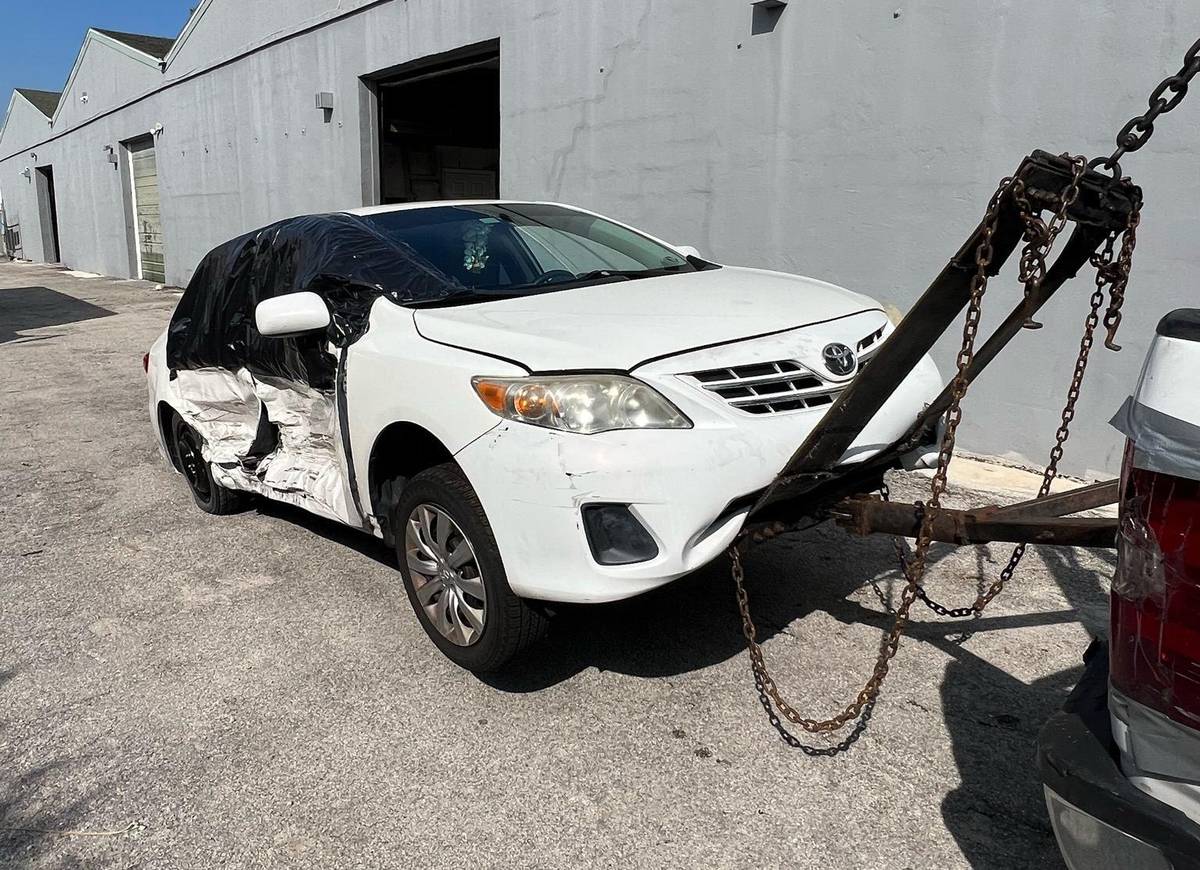

We are a family-run South Florida business with our own fleet of 15 trucks, and we have bought more than 10,000 cars across the tri-county area. Our business is listed in the junkyard category because buying old cars for salvage and recycling is exactly what we do. We simply do it as a mobile service that comes to you.
We are open 24 hours a day, 7 days a week, and more than 770 five-star reviews across Google and Facebook reflect how we treat sellers. Our offers are based on the car's real value as salvage and scrap, explained plainly, and the price we quote is the price we pay.
Family-Run and Local
We Come to You
Fair, Explained Offers
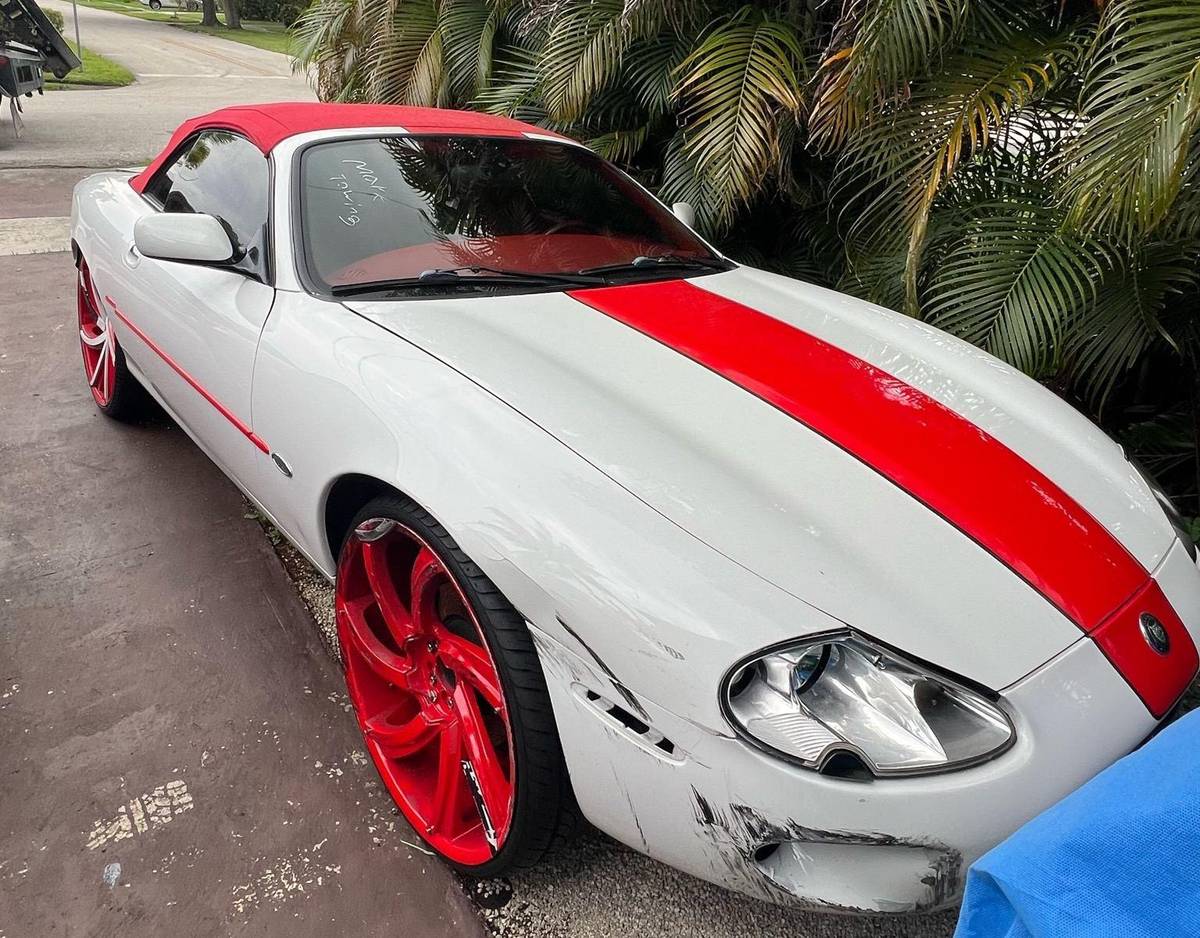
A junkyard, also called a salvage yard or auto salvage, is a business that buys old, damaged, or non-running vehicles and takes them apart. Usable parts are resold, and whatever is left is crushed and recycled for scrap metal.
Junkyards have been part of the car business for generations. Before the internet, the local salvage yard was where every old car in town eventually ended up, and where mechanics went hunting for affordable used parts. Many still operate the same way today, with rows of cars you can walk through to pull parts yourself.
The term covers a few related businesses. A full-service salvage yard removes and sells parts for you. A you-pull-it yard lets customers remove their own parts for less money. A scrap processor mainly crushes whole cars for metal. All of them buy end-of-life vehicles, which is the common thread.
A junkyard makes money twice on the same car: first by reselling usable parts like engines, transmissions, doors, and electronics, then by selling the remaining shell as scrap steel and aluminum. That double value is why even a car that will never run again is worth real money to the right buyer.
When an insurer declares a car a total loss, the state issues a salvage title, sometimes called a salvage certificate. The car can still be bought and sold with this title, and junkyards and buyers like us purchase salvage-titled cars routinely.
Selling to a traditional junkyard starts with getting the car to the yard. If it still runs, you drive it in. If it does not, you arrange a tow, which usually comes out of your pocket. At the yard, the car is inspected, weighed or appraised, and you are given a price.
If you accept, you sign over the title and hand over the keys, and the yard takes the car. Payment methods vary by yard: some pay cash on the spot, others pay by check. It is worth asking how and when you will be paid before you make the trip.
None of this is unreasonable. Traditional junkyards are legitimate businesses doing real recycling work. The trade-off is simply convenience: your time, your towing cost, and a price that is sometimes adjusted after you have already arrived.
Bring the vehicle title and a photo ID. If the car has a salvage title, bring that. If you cannot find the title, call the yard before you go, since requirements vary and some yards will not buy without one.
Some junkyards offer their own towing, sometimes free and sometimes for a fee that comes out of your offer. Others expect you to deliver the car yourself. A quick call beforehand avoids an unwelcome surprise.
A mobile junk car buyer does the same job as a junkyard, buying old cars for parts and scrap, but the truck comes to you. Instead of getting the car to the yard, you describe it by phone or through a quote form and receive an offer without leaving home.
The process is straightforward. You call with the year, make, model, and condition. The buyer makes a cash offer based on the car's weight, usable parts, and current scrap values. If you accept, a truck is dispatched, usually within about an hour, and the car is loaded and towed away free.
Payment happens at pickup, in cash, before the car leaves your property. There is no trip across town, no towing bill, and no waiting in line. For a car that does not run, which describes most junk cars, skipping the transport problem is the whole point.
A traditional junkyard makes sense if you enjoy the process or want to comparison shop in person. A mobile buyer makes sense when the car does not run, your schedule is tight, or you simply prefer the sale handled at your door. It comes down to which trade-offs matter more to you.
Whether your car goes to a traditional yard or a mobile buyer, its next steps look similar. Usable parts are removed for resale: engines, transmissions, body panels, interior parts, and electronics. This parts harvesting is why a dead car still carries real value.
The remaining shell goes to scrap recycling, where steel, aluminum, and copper are recovered and melted down into new products. Fluids like oil, coolant, and fuel are drained and disposed of properly. Selling your old car into this stream is the environmentally responsible ending, far better than letting it rust and leak where it sits.
Related: How Junk Car Pickup Works, What Is a Salvage Title in Florida, Cash for Totaled Cars. Get a cash offer now: 954-787-5717.
FAQ
Answering your questions about our services.
One phone call.
It took 15 trucks, 3 counties and 10,000+ cars to make it this easy.
This is how fast we move.

 954-787-5717