No title? No problem in most cases. Free towing, cash on the spot.
Negative Equity, Plainly Explained
 You owe more than the car is worth
The gap has to close before the lien releases
Time usually shrinks the gap
You owe more than the car is worth
The gap has to close before the lien releases
Time usually shrinks the gap
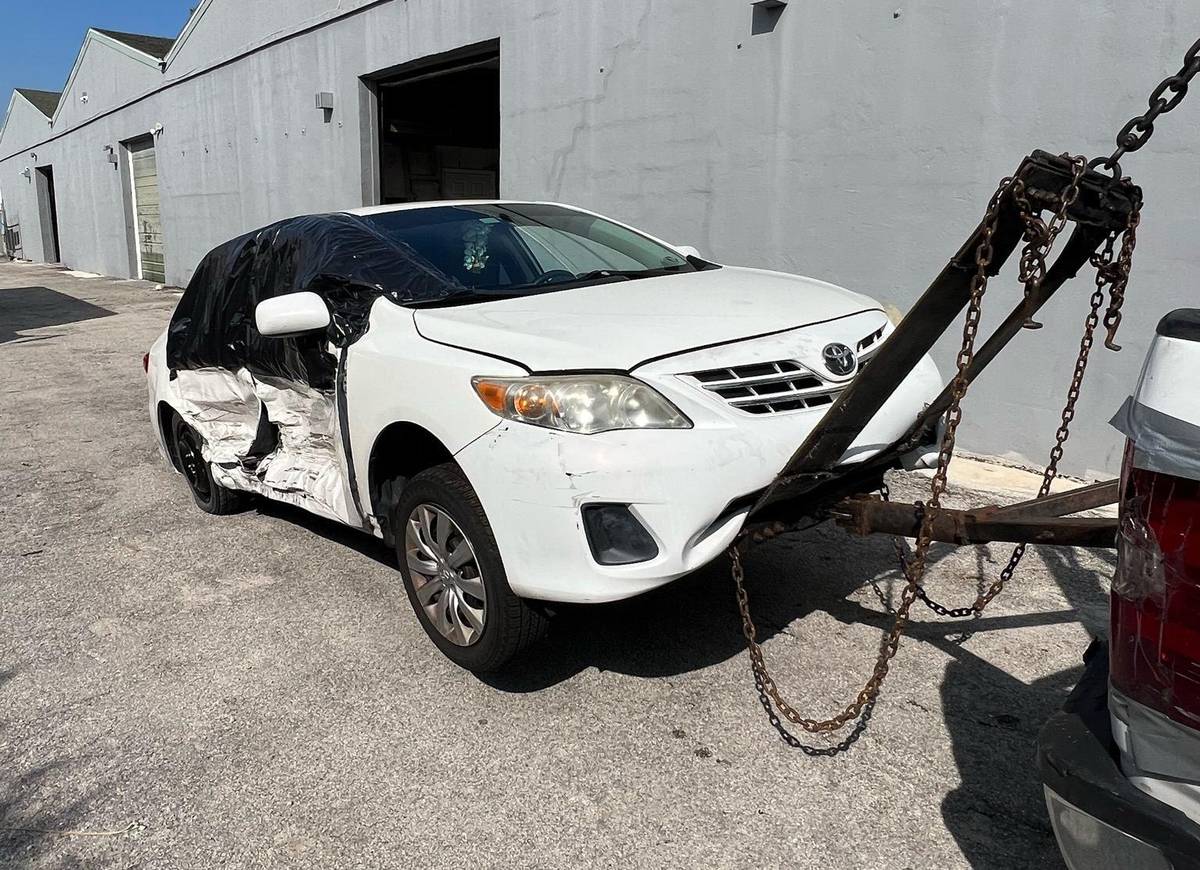

Being upside down on a car loan is more common than most people think, and it is not a moral failing. Long loan terms, small down payments, and fast early depreciation put millions of borrowers in this position. What matters is not how you got here but what you do with clear numbers in front of you.
There is no trick that makes the gap disappear. Anyone who tells you otherwise is selling something. The real options are straightforward: cover the difference and sell, keep driving and paying until the math improves, or in some cases restructure through a trade. Each has honest tradeoffs, and the right one depends on your numbers.
Pay the difference and sell
Keep driving and keep paying
Trade scenarios, with eyes open
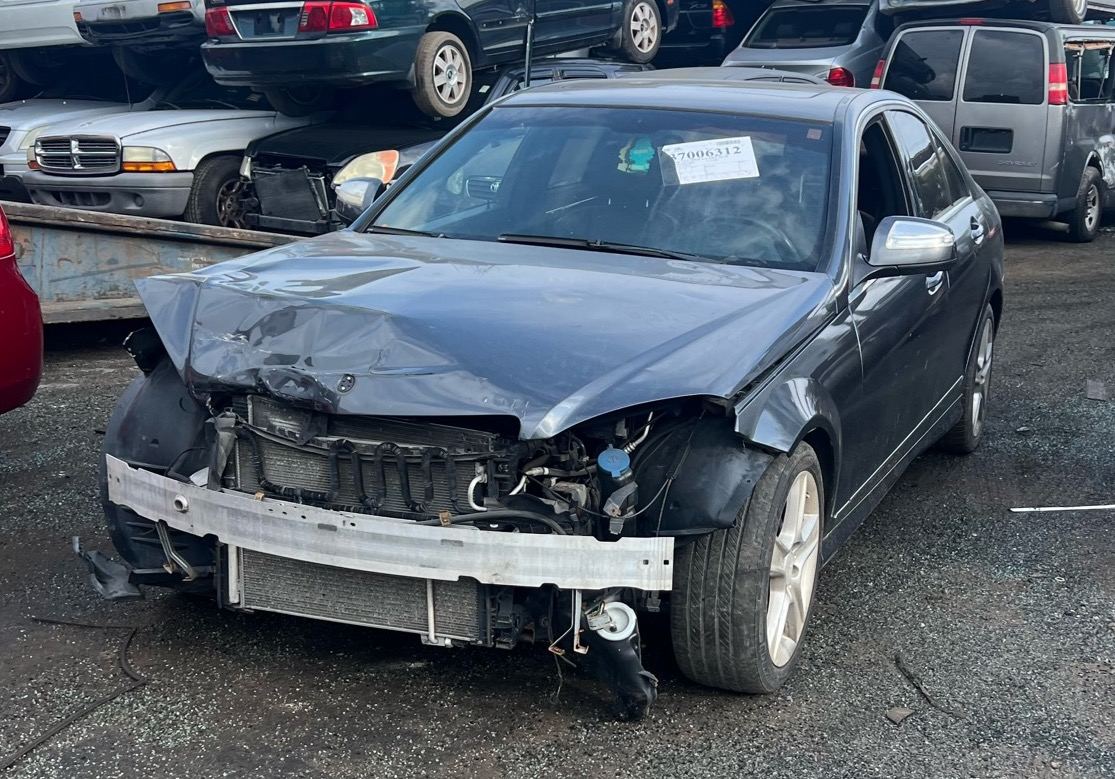
Cars lose value fastest in the first years of ownership, while loan balances drop slowest in the first years of payments, because early payments go mostly to interest. Borrow with a small down payment on a long term and the two curves cross: you owe more than the car will sell for. Rolling an old loan balance into a new loan starts the cycle underwater from day one.
None of this is unusual. Long terms and low down payments are standard offers, and depreciation is just how cars work. The position is common enough that lenders, buyers, and dealers all have standard ways of handling it.
Everything starts with two figures. First, your payoff quote from the lender: the exact amount to close the loan, valid for a set number of days. Second, a realistic offer for the car as it sits today. The difference between them is your equity, positive or negative, and it is the number every option is measured against. Get both before deciding anything, and get the offer from a buyer who will put it in plain terms.
Either order works, but get both close together so the numbers describe the same moment. Payoff quotes expire, and offers are based on current condition, so a week-old number on either side can mislead you.
Selling while upside down makes sense when the gap is small enough to cover, when the monthly payment is hurting your budget more than the one-time gap payment would, or when the car no longer fits your life and keeping it means paying for something you do not want. In those cases, closing the loan and moving on is worth the cost of the gap.
It makes less sense when the gap is large and the car is reliable. Then patience is usually the better financial move: drive it, maintain it, and let the payments do their work. Revisit the numbers every few months and sell when the math turns in your favor.
Related: what your car is worth, frequently asked questions, our services. Get a cash offer now: 954-787-5717.
FAQ
Answering your questions about our services.
One phone call.
It took 15 trucks, 3 counties and 10,000+ cars to make it this easy.
This is how fast we move.

 954-787-5717