No title? No problem in most cases. Free towing, cash on the spot.
Seller's Guide
 It proves the car is the car
It protects you from title problems
It speeds up your pickup
It proves the car is the car
It protects you from title problems
It speeds up your pickup
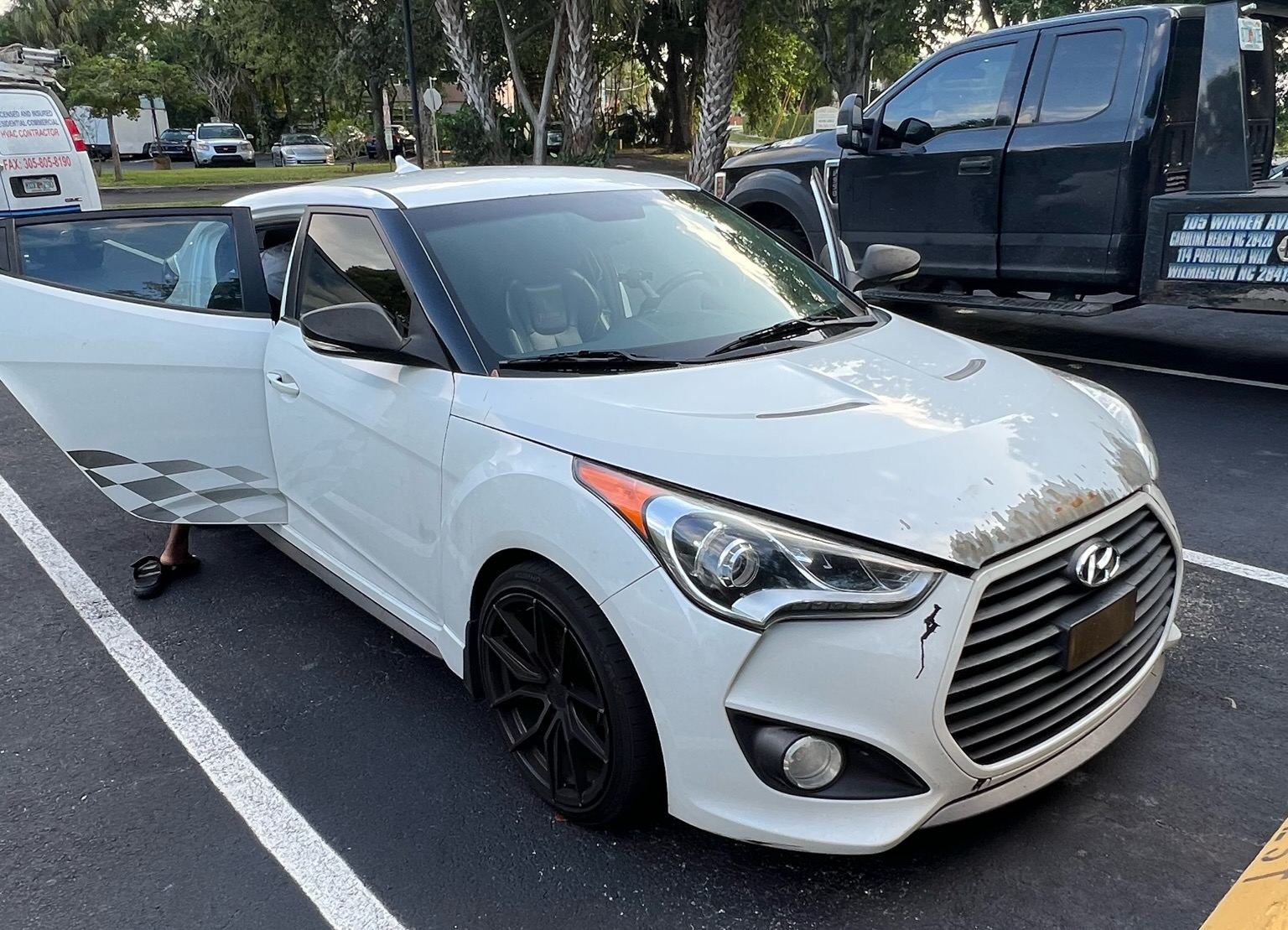

At pickup, our driver checks that the VIN on your car matches the title and your description. With more than 10,000 cars bought, we have seen every variation: faded door stickers, replaced windshields, and the occasional honest typo on old paperwork.
Most VIN issues turn out to be minor and fixable. We will tell you plainly what we find and work through it with you whenever possible.
Fast, transparent verification
Minor issues handled on the spot
No surprises about your car
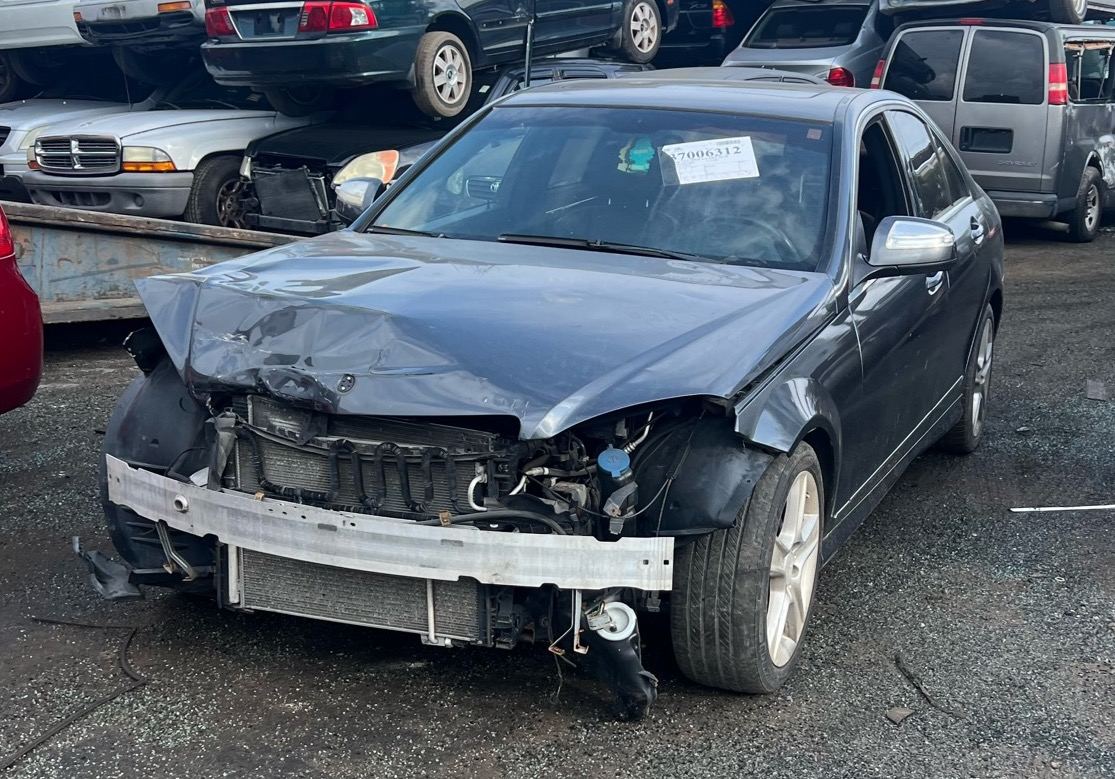
The primary VIN plate sits on the driver's side of the dashboard, visible through the windshield. A second location is the sticker on the driver's door jamb, which also shows manufacturing details. Many cars stamp the VIN on the engine block and on major body panels as well.
For the sale, the two that matter most are the dashboard plate and the door jamb sticker, because those are what get compared against the title. Check both before the buyer arrives so you know what they will see.
Look through the windshield on the driver's side, where the dash meets the glass. This is the official VIN plate and the first place any buyer looks.
Open the driver's door and check the sticker on the jamb. It carries the VIN plus build information. On older cars this sticker may be faded or peeling, which is common and usually fine.
The title is a legal document describing one specific vehicle, identified by its VIN. If the VIN on the car does not match the VIN on the title, the paperwork does not legally describe your car, and the sale cannot be completed cleanly until the discrepancy is resolved.
This is not the buyer being difficult. It is the same standard every dealer, lender, and state office applies. A clean VIN match protects both sides: you from liability after the sale, and the buyer from purchasing a car it cannot legally process.
Most mismatches are innocent. A single transposed digit from an old title application, a door replaced after an accident carrying a different sticker, or a faded plate misread years ago. These are common on older cars and usually resolvable with supporting paperwork.
Rarely, a mismatch signals something serious, like swapped VIN plates. If the dashboard plate looks tampered with or the numbers tell conflicting stories, that is a red flag worth investigating before any sale. When in doubt, compare all VIN locations on the car: they should agree with each other.
If you find a mismatch, tell the buyer upfront when you call. Honest disclosure lets us plan around it, and in many cases we can still complete the purchase. Call 954-787-5717 and describe what you found.
Older cars in Florida often have VIN quirks: sun-faded door stickers, windshields replaced after storms, and titles issued decades ago with the occasional transcription error. None of these are unusual, and most are resolvable with supporting paperwork.
The key habit is comparing all VIN locations against each other before the buyer arrives. If the dashboard plate, door sticker, and title all tell the same story, you are in great shape. If they disagree, tell the buyer upfront so there are no surprises at pickup.
Related: frequently asked questions, our junk car buying services, sell my car fast. Get a cash offer now: 954-787-5717.
FAQ
Answering your questions about our services.
One phone call.
It took 15 trucks, 3 counties and 10,000+ cars to make it this easy.
This is how fast we move.

 954-787-5717