No title? No problem in most cases. Free towing, cash on the spot.
Know a Fair Deal
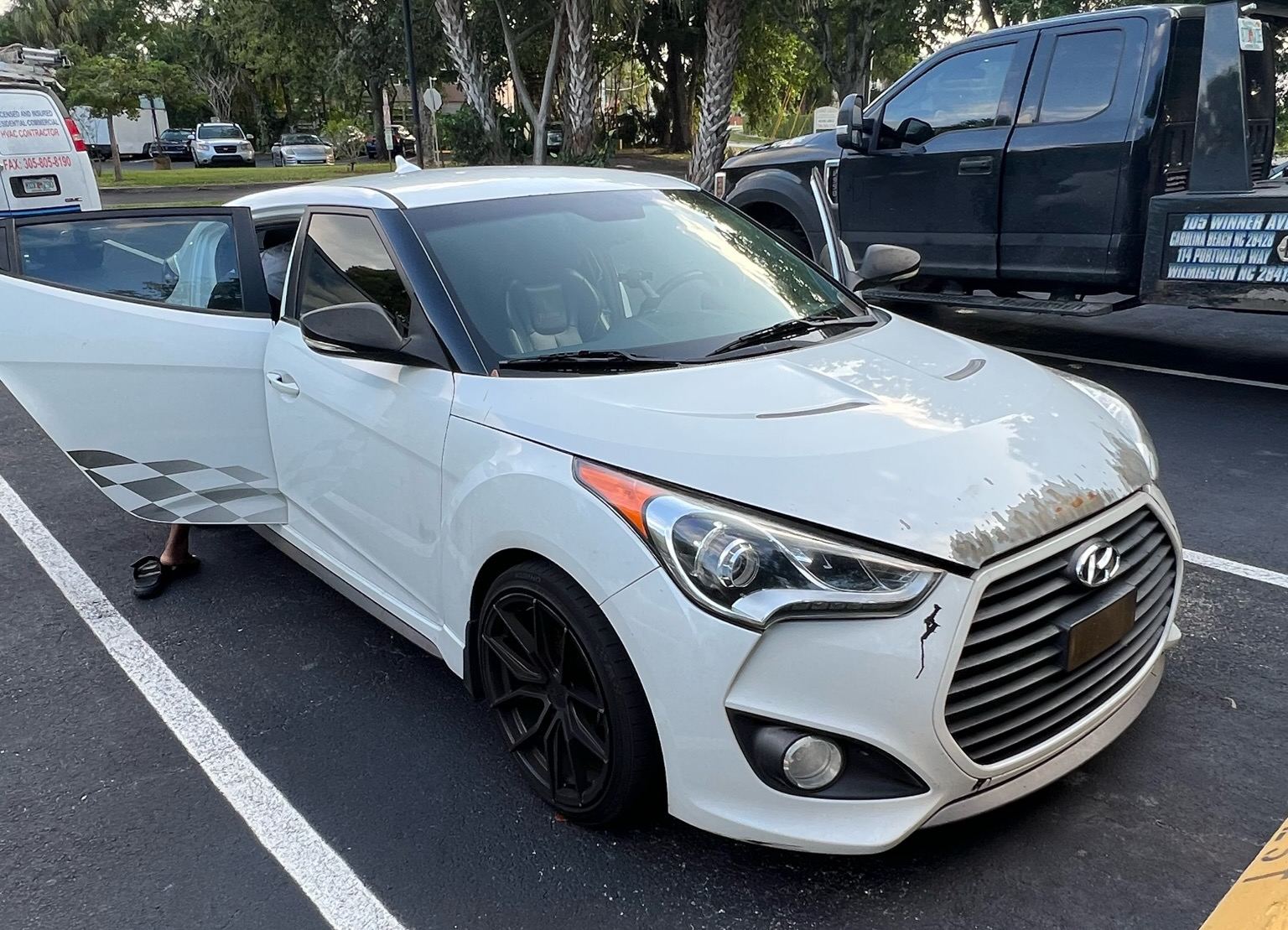

Most sellers have never sold a junk car before, so they have no baseline. That information gap is exactly what unfair buyers exploit.
Understanding the handful of factors behind the price closes the gap. You do not need to become an expert, just an informed seller.
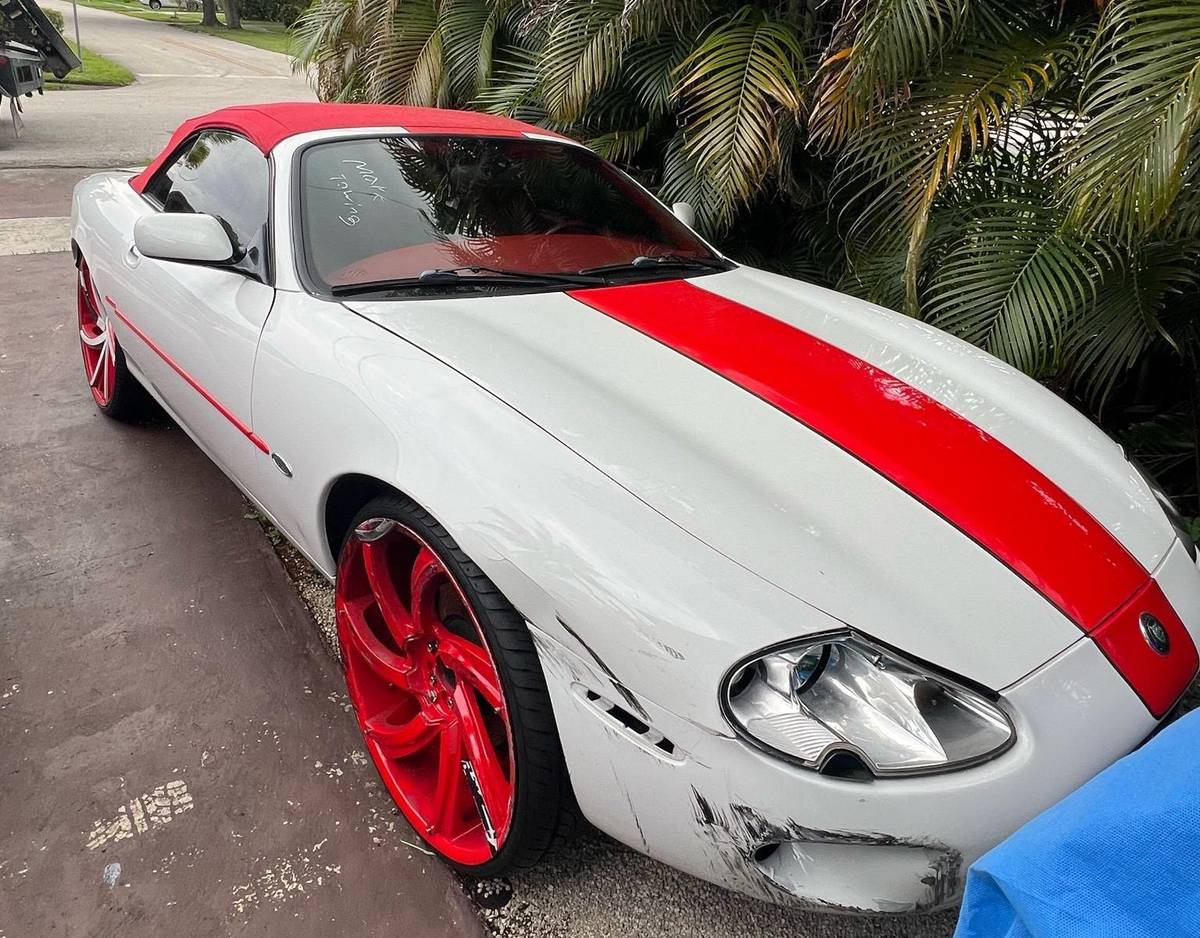
A fair price for a junk car reflects its weight, year, make, model, completeness, and current demand for its parts. Complete cars with catalytic converters and aluminum wheels fairly command more than stripped shells. A fair buyer gives you a firm price over the phone, charges nothing for towing, and pays exactly the agreed amount at pickup.
None of these factors are mysterious. Weight sets the metal baseline, popular models carry stronger parts demand, and completeness preserves the components that have independent value. A fair quote simply adds them up honestly.
Seasonal and market factors play a smaller role. Metal markets move over time, and parts demand shifts with the seasons, but these move the whole market rather than your car specifically. A fresh quote always beats an old assumption about what cars are worth.
Year, make, and model determine parts demand. Weight determines the metal baseline. Completeness, meaning engine, transmission, converter, wheels, and battery present, protects the parts value. Location affects pickup logistics. Together they produce a number any experienced buyer can defend.
Buyers differ in their parts resale channels, their proximity to you, and their overhead. A local buyer with its own trucks and strong parts outlets can genuinely pay more than a distant call center farming the job out. Differences of a modest amount are normal.
The classic is bait and switch: a high phone quote that drops at pickup over vague defects. Another is the towing deduction, where the quoted price quietly loses a fee when the truck arrives. A third is the vague offer, where the buyer refuses to commit to a number until the car is already on the truck.
All three share a pattern: the real price is revealed only after you are psychologically committed. A fair buyer does the opposite, committing to the number before dispatch.
Ask directly whether the price is firm, whether towing is free, and what could change the number at pickup. Evasive or rushed answers are your signal to call someone else. A fair buyer welcomes these questions.
Get two or three firm, all-in quotes and compare them. If they cluster in a range, that range is the market, and any of them is fair. Then choose based on speed, professionalism, and who you trust.
Finally, trust the process test. Did the buyer ask detailed questions about the car? Did they commit to a number? Did they confirm free towing? Fair pricing comes from fair process, and you can feel the difference on the call.
Related: what your car is worth, how much your junk car is worth, common questions about selling. Get a cash offer now: 954-787-5717.
FAQ
Answering your questions about our services.
Compare two or three firm quotes. If one sits far below the cluster, it is likely low. Also confirm towing is free, since a deduction can make a fair quote look low.
Buyers differ in parts channels, logistics costs, and overhead. Modest variation is normal. Extreme variation usually signals that the high quote is not firm.
Yes. It takes about twenty minutes and it is the single best way to establish what fair looks like for your specific car.
An offer well below the market range for your car, often paired with pressure to decide immediately. Comparison shopping is the cure.
Yes. A fair buyer commits to the number on the phone. If the car matches the description at pickup, the price should not move.
One phone call.
It took 15 trucks, 3 counties and 10,000+ cars to make it this easy.
This is how fast we move.

 954-787-5717