No title? No problem in most cases. Free towing, cash on the spot.
Published October 19, 2026 by Instant Money Junk Cars
You can absolutely sell a car with a bad catalytic converter. Failing converters are one of the most common reasons older cars get sold as-is in South Florida, because the replacement cost so often exceeds what the car is worth. Buyers purchase these vehicles daily, pricing in the repair or the remaining value of the car.
The symptoms are hard to miss: a rattling sound from underneath, a rotten-egg smell in the exhaust, sluggish acceleration, and a glowing check engine light. The converter is an expensive emissions component with precious metals inside, and replacing it on an older car is rarely a sound investment. This guide covers the cost math, the legal boundaries, and your best selling path.
Converter replacement typically runs from around $1,000 to $2,500 or more with parts and labor, depending on the vehicle. Some models carry multiple converters, which multiplies the bill. The part itself is expensive because of the platinum, palladium, and rhodium inside, and the labor involves cutting and welding exhaust components that have spent years corroding in Florida humidity.
Now compare that with the car. If the vehicle is worth a few thousand dollars at best, a $2,000 converter job consumes most of its value. That is the arithmetic behind the headline: a $2,000 part on a $1,500 car. When the repair costs more than the car, the repair is not an investment, it is a donation. That math drives most of these sales, and buyers who handle cars with check engine lights see it every day.
Yes, as a private or as-is sale with honest disclosure. Florida has no emissions inspection, so there is no test the car must pass to change hands. What you cannot do is tamper with or remove emissions equipment to hide the problem: gutting the converter, installing a straight pipe, or using a defeat device is illegal under federal law regardless of what state you are in.
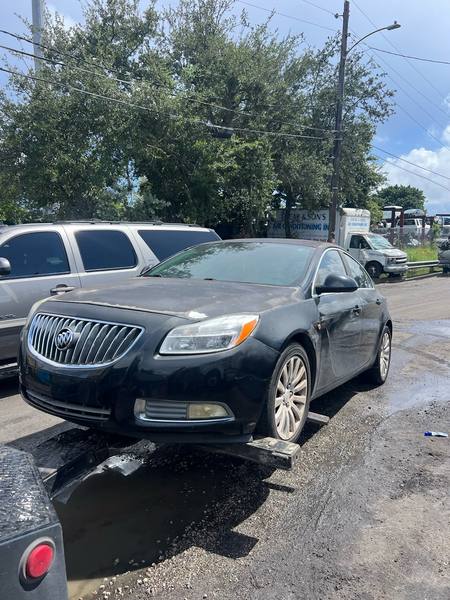
Selling the car as-is with the failed converter disclosed is the clean, legal path. The buyer knows exactly what they are getting and prices it accordingly. As-is language covers honest unknowns, not deception, so plain disclosure is what keeps the transaction safe. Our guide to disclosing damage when selling covers where the legal lines sit.
The failure case and the theft case look similar from the seller's seat: a car that sounds terrible and throws codes. The difference is what is under the car. A failed converter is still physically present but chemically dead; a stolen converter leaves a gaping hole in the exhaust with cut pipes. Both are sellable, but they price differently because the repair paths differ.
Theft is also far more common than most owners realize, especially on trucks and SUVs that sit high enough to access easily. If you woke up to a roaring exhaust one morning, theft is the more likely story. We cover that scenario separately in our guide to selling a car with a stolen catalytic converter, including the insurance angle that sometimes applies.
Limit driving as much as you can. A failing converter can overheat, restrict exhaust flow, and put extra stress on the engine over time. The car will also run increasingly poorly, and in the worst cases a clogged converter can leave you stranded. None of this helps the car's value while you deliberate.
There is also a secondary risk owners underestimate: a badly clogged converter raises exhaust backpressure, which can overheat exhaust valves and, over time, damage the engine itself. A problem that started as an emissions repair can become an engine repair if you keep driving through the symptoms. Parking the car until the sale is both the safer and the more economical choice.
You do not need to drive it to sell it anyway. Cash buyers tow non-running and unreliable cars routinely, and the pickup process happens at your location. Park the car, get your as-is number with an online quote, and let the tow truck do the traveling.
Florida has no vehicle emissions or safety inspection program for passenger cars, so there is no test to fail and no inspection sticker at risk. The converter problem is purely a performance, smell, and noise issue under Florida law, plus the federal prohibition on tampering with emissions equipment. That regulatory calm is part of why Florida is such a straightforward state for as-is sales of emissions-compromised cars.
One practical note: if you are thinking of driving the car to another state to sell it, check that state's inspection rules first. A car that is perfectly legal to sell and drive in Florida can face an emissions test elsewhere. Selling it where it sits, to a buyer who tows, sidesteps the question entirely.
The offer reflects the converter as a known repair cost, subtracted from what the car is worth with a working exhaust. A running car with a failed converter still has real value: the engine, transmission, and body are unaffected by the problem. That is why these cars consistently sell rather than get scrapped. You can see the pattern in recently purchased vehicles, where emissions-related sales show up regularly.
When you are ready, most sellers sell their car fast to a local buyer rather than sinking money into a converter that will never pay back. The whole transaction, quote to cash in hand, typically wraps up the same day you call. If your car has additional mechanical issues beyond the converter, our overview of fixing versus selling a problem car applies the same decision math.
FAQ
Call 954-787-5717 for a cash offer. Free towing, cash on the spot, pickup usually within about an hour.
954-787-5717
 954-787-5717