No title? No problem in most cases. Free towing, cash on the spot.
Published October 19, 2026 by Instant Money Junk Cars
Carvana title requirements are strict, and they are one of the most common reasons sellers get turned away after accepting an offer. The company generally requires a clear title in the seller's name, matching their ID, and the usual disqualifiers are liens, title brands, and name mismatches. If your paperwork is anything less than clean, it is worth knowing the rules before you start the process, and knowing your alternatives if you cannot meet them.
This guide explains what Carvana requires, the common title problems that disqualify sellers, and who buys the cars that online platforms decline. If your title situation is complicated, a local buyer experienced with Florida title issues is often the more practical path.
Generally a clear title in the seller's name, with the name on the title matching the seller's ID. The title should be free of liens or have a lien with a straightforward payoff, and it should carry no brands such as salvage, rebuilt, or flood. These requirements exist because Carvana's process is built for scale: standardized paperwork moving through a standardized system, with little room for exceptions.
This standardization is a feature for sellers with clean paperwork and a wall for everyone else. If your title is clean and matches your ID, the process is smooth. If it is not, the system typically stops rather than working around the problem. Understanding which category you are in before you begin saves the frustration of an offer that dies at the paperwork stage. Our guide to offers dropping at pickup covers the related ways online deals unravel late in the process.
Sometimes, if the payoff is straightforward. A standard auto loan with a major lender and a payoff amount below the offer price generally fits the process. The buyer coordinates the payoff with the lender and pays you the difference. Where it gets difficult is with complex lien situations: title loans, multiple liens, liens from private parties, or payoffs that exceed the offer.
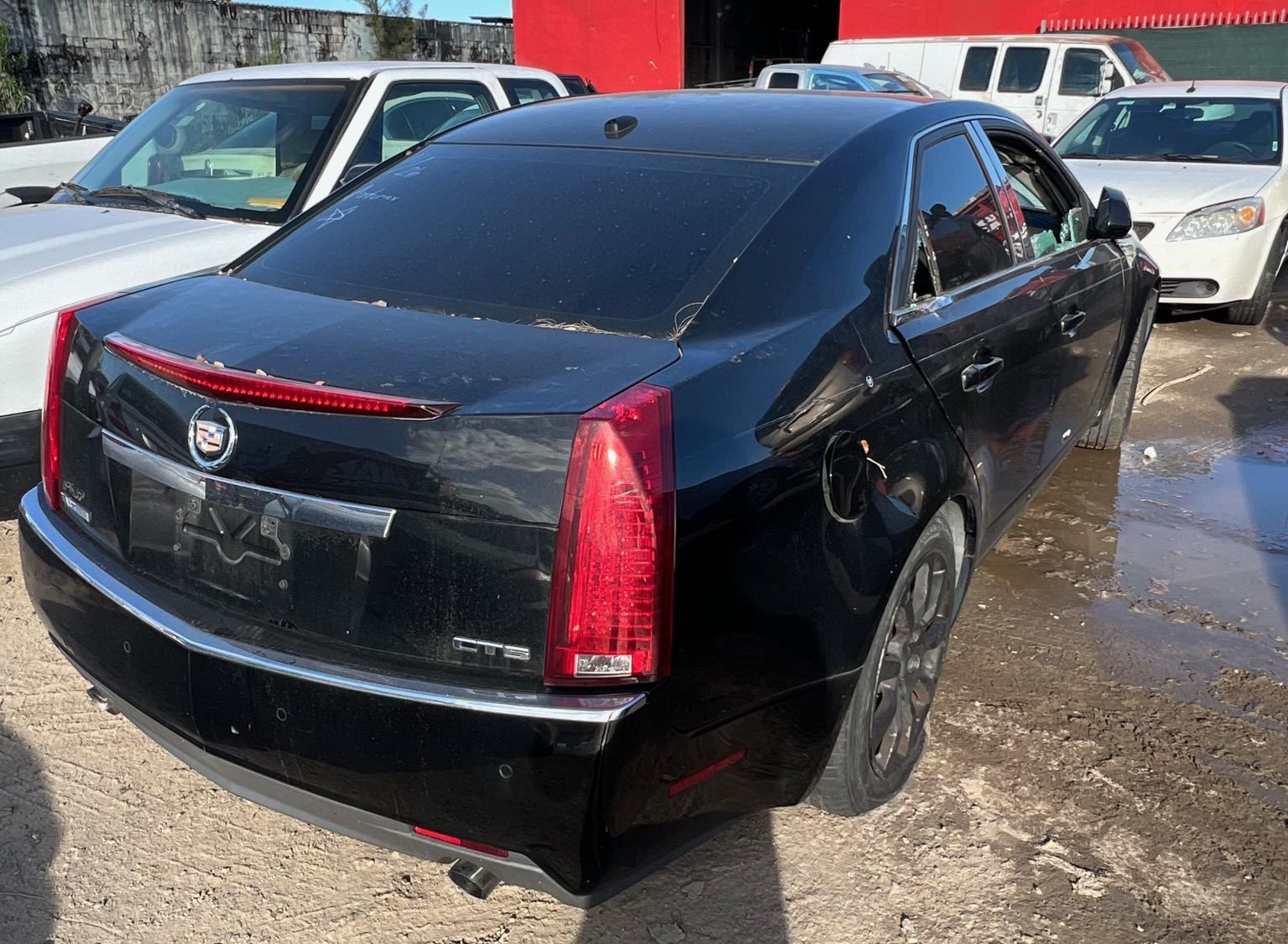
If your lien situation is anything beyond the standard case, get the details sorted before you start an online appraisal. Know your exact ten-day payoff, identify the lienholder precisely, and understand whether the payoff exceeds the car's value. Local buyers handle lien payoffs at pickup as a matter of routine, and buyers who buy running cars with loans can tell you on one phone call whether your situation works.
The common ones are name mismatches, missing titles, branded titles, and title jumping. A name mismatch means the title shows a different name than your ID, perhaps from a marriage, a divorce, or a car bought but never properly transferred. A missing title means no certificate to sign over. Branded titles, including salvage, rebuilt, and flood brands, fall outside what the online buying model is built to handle. Title jumping, where the title was signed over to someone who never registered it, creates a broken chain of ownership that standardized systems reject.
Some of these are fixable at the DHSMV with time and the right documents. A name mismatch can be corrected, and a lost title can be replaced with a duplicate. But fixes take weeks, and if you need to sell now, the practical question is who buys cars with title problems as they are. Our guide for sellers Carvana rejected walks through next steps, and odometer disclosure rules cover the related paperwork that trips up sellers.
Title jumping deserves special attention because it is the problem sellers least expect. If you bought the car from someone who signed the title over to you but you never registered it in your name, the chain of ownership is broken, and standardized buyers will reject it outright. Resolving it usually means registering the car properly first, which takes time and may involve back fees. A local buyer can often advise on the fastest compliant path.
Generally their buying model focuses on clean-title vehicles, and branded titles are a common rejection reason. Salvage, rebuilt, reconstructed, and flood-branded titles indicate a history that does not fit a standardized retail operation. This is a business-model constraint, not a judgment on your car, and it is applied consistently.
If your car carries a brand, the buyers who want it are the ones who specialize in it: local cash buyers, salvage buyers, and rebuilders who price branded-title cars every day. These buyers are not doing you a favor by purchasing. They are operating in their normal market, which is why their offers on branded cars are often more competitive than sellers expect. A fast cash sale handles branded titles as routine paperwork.
Local buyers handle many of the title situations that online platforms decline, including missing titles in most cases, with the paperwork completed at pickup. The difference is structural: a local buyer looks at your actual documents and works with Florida's actual procedures, rather than running your paperwork through a standardized checklist built for clean titles. What the algorithm rejects, a person can often resolve.
The process is straightforward. Describe your title situation honestly on the phone, bring every document you have to the pickup, and let the buyer handle the rest. Sellers with hundreds of five-star reviews include many who started with a title problem and ended with cash in hand the same day. If you want to understand the full landscape of online buyers first, read the local alternative to online buyers. Then call 954-787-5717, describe the situation plainly, and get a firm answer on what is possible.
FAQ
Call 954-787-5717 for a cash offer. Free towing, cash on the spot, pickup usually within about an hour.
954-787-5717
 954-787-5717