No title? No problem in most cases. Free towing, cash on the spot.
Published October 19, 2026 by Instant Money Junk Cars
Every church van eventually retires. The 15-passenger van that carried youth groups, choir tours, and mission trips for a decade becomes a maintenance line item, and the congregation faces a practical question: sell it, donate it, or let it sit. If your church needs to sell a church van, the process is straightforward once signing authority and the title are sorted, and the sale-versus-donation math usually has a clear winner.
Nonprofit vehicle sales have their own paperwork shape: the title is in the organization's name, the signer acts with authority, and the board often wants the decision documented. This guide covers who can authorize the sale, how to compare selling against donating, what paperwork the transaction needs, and how pickup works from a church lot.
Whoever holds signing authority for the organization, with the title in the church or nonprofit's name. In practice, that means a pastor, trustee, deacon board chair, or business administrator, depending on how the church is governed. For larger sales, board approval is wise even when one person technically can sign: it documents the decision and avoids second-guessing later.
Confirm the title situation early. The title should be in the organization's legal name, matching the signer’s authority to act for it. If the van was titled to an individual member years ago and never transferred, that needs sorting before any sale: the titled owner must sign, or the title must be corrected first. Buyers who handle organizational sales routinely will tell you exactly what is needed; when you request an online quote, mention that the seller is a church or nonprofit so the paperwork guidance is right from the start.
Compare the tax deduction value against a cash offer, with real numbers. A donation deduction is worth the van's fair market value multiplied by the donor's marginal tax rate, and only if the donor itemizes; for a church donating its own van, the relevant question is what the organization nets. For older vans, the cash sale often wins outright: a running 15-passenger van brings real money as-is, while a donation of the same van yields a deduction worth a fraction of that.
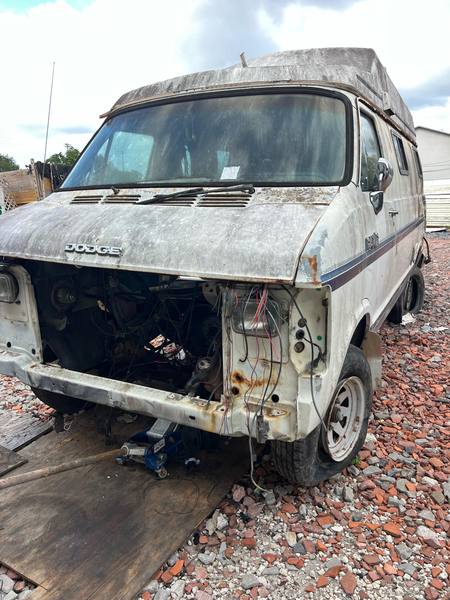
Run both sides before the board votes. Get the firm cash number, then ask the treasurer what the donation is actually worth to the organization in tax terms. Our donate versus sell comparison walks through the same math for individual sellers, and the logic transfers directly. If the van is one of several vehicles the organization is clearing out, our article on clearing multiple vehicles at once covers the logistics of selling more than one.
The organization's title, an authorized signer with ID, and a bill of sale naming the organization as seller. If the church is incorporated, having the articles of incorporation or a board resolution on hand smooths any questions, though most as-is buyers will not require them. The signer's ID must match the authority they claim: a driver's license plus a title showing the church as owner is the standard package.
Remove the church's plates at sale, as Florida plates stay with the owner, not the vehicle. Cancel the commercial or fleet insurance once the title transfers. If the van carries a lien from a past purchase, the lien release must be in hand before pickup day. Vans purchased for cash include former fleet, shuttle, and organization vehicles regularly, so this paperwork shape is familiar to experienced buyers.
Not for a wholesale or as-is buyer. Lettering, decals, and roof signs do not affect the offer, and removing them is cosmetic labor with no return. If the van is headed for a private buyer, clean presentation helps, and de-lettering is worth the afternoon. For the as-is lane, leave it as it sits: the buyer prices the van, not the paint.
Do clear out the interior completely: Bibles, first-aid kits, jumper cables, and everything in the storage compartments. Check under the seats and in the rear well, where church vans accumulate a decade of forgotten items. The van should be as described when the buyer priced it, minus only the personal property. If the sale involves a vehicle that belonged to a family member of the congregation rather than the church itself, our article on selling a car for a family member in Florida covers the authorization side of that situation.
The buyer picks up from the church lot; you coordinate access and have the authorized signer present with the paperwork. Schedule around services, school pickup lines, and events: a weekday morning is usually the quietest window. Make sure the van is accessible and not blocked in by other vehicles, and confirm the gate or lot will be open when the truck arrives.
Designate one contact person for the sale and tell the church office who it is. Pickup drivers will call when they are en route, and a single reachable contact prevents the missed-connection problem where the driver arrives, nobody knows about the sale, and the gate stays locked. Share the pickup window with anyone who needs it: the facilities manager, the school office if the lot is shared, and the signer who must be present with the title. A short email to the relevant people, with the date, the window, and the contact's phone number, is all it takes to make pickup day uneventful.
How pickup works covers the standard flow, and the church-lot version adds only the access coordination. Same-day sale is available when the board has decided and the paperwork is ready. Call 954-787-5717 with the van's year, mileage, title status, and the signer's authority, and the sale can be scheduled at the congregation's convenience.
FAQ
Call 954-787-5717 for a cash offer. Free towing, cash on the spot, pickup usually within about an hour.
954-787-5717
 954-787-5717