No title? No problem in most cases. Free towing, cash on the spot.
Published October 19, 2026 by Instant Money Junk Cars
The storm has passed, your car is damaged, and you are weighing a hurricane damaged car insurance claim or selling the car as-is and moving on. Both paths are legitimate. The claim can pay more but takes weeks or months after a major storm; the sale pays less in some cases but resolves the situation this week. The right choice depends on your coverage, the extent of the damage, and how much you value being done with it.
This guide gives you a decision framework rather than a single answer: when the claim is clearly worth filing, when selling outright wins, how the two timelines compare, and what to document right now regardless of which path you take.
Start with your coverage. If you carry comprehensive insurance and the damage is major, filing is usually worth it; comprehensive is the coverage that pays for storm damage, and a flooded or crushed car is exactly what it exists for. If the damage is moderate, the math gets closer: compare the likely net payout after your deductible against a cash buyer's as-is offer, and be honest about the value of your time. If you carry only liability coverage, there is no claim to file for your own car, and selling as-is becomes the practical path by default. The type of water matters too. Saltwater versus freshwater flood damage explains why coastal surge so often ends in a total loss, which pushes many owners toward the claim route. For the immediate steps before either decision, the hurricane season flood guide covers documentation and assessment.
Longer than the policy language suggests. After a major storm, adjuster backlogs across South Florida can stretch claims into weeks or months, with inspections scheduled, rescheduled, and supplemented as hidden damage surfaces. That waiting period is the real cost of the claim route: you are without the car, possibly paying for a rental or a replacement, while the file moves through the queue. Some owners find the eventual payout justifies the wait; others discover that the net difference between the settlement and an as-is sale was never worth two months of hassle. There is no universal answer, but there is a useful discipline: put a value on your time, estimate the claim timeline honestly based on the storm's scale, and compare the net numbers. Check whether your policy includes rental reimbursement and for how long, since a rental covered for thirty days changes the waiting math considerably compared to paying out of pocket. If you decide the wait is not worth it, selling a hurricane-damaged car as-is converts the problem into cash within days.
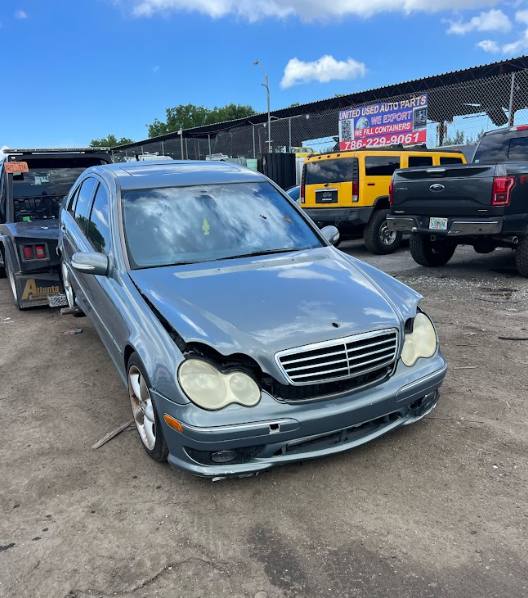
Then the decision makes itself. Liability coverage pays for damage you cause to others; it does not repair your own car after a storm. Many owners of older vehicles carry liability only, which means a hurricane-damaged car has no insurance path at all. The practical move is to document the damage, get an as-is number, and sell. This is also worth remembering as a planning point: if your car is worth enough that storm damage would hurt, comprehensive coverage is the product that protects it. For owners already in the liability-only situation, an online quote takes a few minutes and tells you exactly what the car is worth as it sits. How pickup works shows the collection process, and sellers who want a reference point can look at what junk cars actually sold for in South Florida to calibrate expectations.
It complicates things, so most sellers resolve the claim first. Selling a car while a claim is open can create disputes over who owns the salvage, who receives the payout, and whether the insurer still has an interest in the vehicle. The clean sequence is to either see the claim through and then sell whatever remains, or withdraw the claim and sell the car outright. If you are mid-claim and leaning toward selling, talk to your adjuster before making moves; a five-minute call can prevent a paperwork tangle that takes weeks to unwind. Do not sign the title over to anyone while the insurer's interest is unresolved. Once the claim is closed or withdrawn, selling your car fast proceeds like any other as-is sale.
Everything, and the same documentation serves both paths. Photograph the car's condition from every angle, the water lines if it flooded, the VIN plate, the odometer, and any pre-existing damage you can distinguish from storm damage. Keep receipts for any emergency measures like towing or temporary protection. Write down the timeline: when the damage occurred, when you discovered it, and what you did. This file supports your claim if you file one and supports your description if you sell. Honesty with a buyer matters too; cash buyers who specialize in damaged cars expect storm history and price accordingly, and a clean documented story keeps the deal smooth. If the next storm season is on your mind, the case for selling an aging car before hurricane season is worth a read before June arrives.
FAQ
Call 954-787-5717 for a cash offer. Free towing, cash on the spot, pickup usually within about an hour.
954-787-5717
 954-787-5717