No title? No problem in most cases. Free towing, cash on the spot.
Published October 19, 2026 by Instant Money Junk Cars
Yes, you can sell a car with mold in Florida. Cash buyers purchase mold-affected vehicles as-is every week, and interior mold is priced like any other major condition issue. You do not need to remediate it first, and you do not need to drive the car anywhere.
Florida humidity is relentless. A small windshield seal leak, a clogged sunroof drain, or a car that sat closed up through the summer can turn an interior into a mold farm in a matter of weeks. By the time most owners notice, the smell is entrenched and the damage is far beyond what a home cleaning can handle. This guide explains what mold does to your car's value and your realistic options.
Mold needs moisture, warmth, and time, and South Florida provides all three generously. The common entry points are leaking door and trunk seals, clogged sunroof drains that dump water into the headliner, and air conditioning drain tubes that back up into the passenger footwell. A car that sits parked through the rainy season with the windows up creates a sealed, humid greenhouse where mold spreads across headliners, carpets, and seat foam.
The tricky part is that the visible mold is only half the problem. By the time you see discoloration on the headliner, the padding underneath and the HVAC ducts are usually colonized too. This is why surface cleaning so often fails: the source keeps regenerating from inside the ventilation system and under the carpet. Cars affected by flood damage in Florida face the same hidden-moisture problem at a larger scale.
Rarely. Professional automotive mold remediation involves removing seats and carpet, treating or replacing padding, cleaning the entire HVAC system, and often replacing the headliner. The bill can easily exceed what an older car is worth, which is why most sellers skip it. Spending more on remediation than the car will sell for is the exact trap this decision is about avoiding.
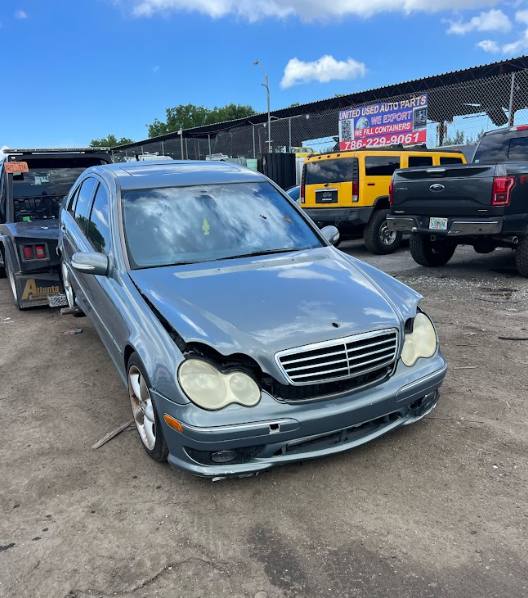
The honest comparison is simple: get a quote for remediation, get a quote for the car as-is, and compare. For most mold-affected vehicles over a few years old, the as-is sale wins by a wide margin. Buyers who specialize in fast as-is sales expect Florida cars with interior issues and price them without drama.
Heavy mold inside a vehicle is not something to breathe for long stretches. People with allergies, asthma, or respiratory sensitivity can react badly to the spore load in a sealed car, and even healthy drivers can find it unpleasant. Minimizing your time inside is the sensible approach while you arrange the sale.
The good news is that you do not need to drive the car at all. Cash buyers tow mold-affected vehicles routinely, so the sale and the pickup process happen at your location. The driver loads it, you sign the paperwork outside the car, and you never have to sit in it again. Request an online quote and mention the mold in your description so the offer reflects the real condition.
It moves the number, but less than most owners fear. To a cash buyer, mold is a known condition issue: the interior has little or no retail value, and the car is priced on its mechanicals, drivetrain, and salvageable parts. A car that runs well with a moldy interior is still a fundamentally sellable vehicle. The offer reflects the cost of dealing with the interior, not a judgment on the car as a whole.
Private buyers are a different story. Mold is one of the fastest ways to kill a private sale, because retail buyers imagine themselves commuting in the car daily. That gap between private-market value and as-is value is exactly why moldy cars so often end up sold to direct buyers. You can see how similar condition issues price by browsing recently purchased vehicles.
Spores travel, but a moldy car does not automatically infect everything around it. The risk rises when vehicles share an enclosed space, like a garage where spores circulate through the air. If you have a second car parked beside the affected one, keeping the garage ventilated and the moldy car closed up limits cross-contamination. In practice, most sellers simply want the car gone quickly, which solves the problem at its source. A same-day pickup removes the spore factory from your property entirely.
Yes, and with an as-is buyer it costs you nothing. The mold is usually obvious the moment the door opens, so there is no advantage in staying quiet. Honesty keeps the transaction clean: the buyer prices what they see, the offer they make at pickup matches the quote, and nobody wastes a trip. Disclosing major damage plainly is good practice in every kind of sale, as our guide to disclosing damage when selling explains.
If the mold came from a known leak, say so. If you are unsure where the moisture entered, say that too. A buyer who purchases damaged cars professionally would rather hear "I do not know" than discover a surprise at pickup. The same disclosure habit serves you well with related condition problems, from rodent damage in stored cars to lingering smoke smell in the interior.
FAQ
Call 954-787-5717 for a cash offer. Free towing, cash on the spot, pickup usually within about an hour.
954-787-5717
 954-787-5717