No title? No problem in most cases. Free towing, cash on the spot.
Published October 19, 2026 by Instant Money Junk Cars
Yes, you can sell a car with rat damage or rodent damage. Cash buyers in South Florida purchase rodent-damaged vehicles every week, and chewed wiring or a nest in the airbox is priced in like any other mechanical issue. You do not need to fix anything first.
Florida is rodent country. Palm rats nest in engine bays during the warm months, field mice move into stored cars, and palmetto bugs are everywhere. The result is usually the same: chewed sensor wires, shredded insulation, and a car that may or may not start. This guide covers how buyers evaluate pest damage and why it is more sellable than most owners assume.
Rodents cause two kinds of damage. The first is cosmetic: shredded cabin insulation, droppings in the ventilation system, chewed seat foam, and the unmistakable smell. The second is electrical: rats chew wiring harnesses, sensor leads, and vacuum lines. One gnawed wire can trigger a check engine light; a chewed main harness can keep the car from starting at all. Buyers sort every rodent-damaged car into this same two-bucket assessment, and the price follows from what is in each bucket.
The uncomfortable truth is that full wiring harness replacement is one of the most expensive repairs on any vehicle, often exceeding the market value of an older car. That math is exactly why most sellers choose the as-is route instead of the repair shop. A buyer who handles cars with mechanical problems already knows how to price a car that needs electrical work, so the damage becomes a line item, not a dealbreaker. Shops charge for hours of labor to trace faults through a harness, and parts availability for older models can turn a big job into an impossible one.
South Florida gives rodents everything they need: year-round warmth, food sources, and cars that sit. A vehicle parked under a tree for a few weeks becomes prime real estate. Engine bays stay warm after a drive, the airbox makes a perfect nest cavity, and soy-based wire insulation on many modern cars is, to a rat, simply food. Sellers are often surprised by how quickly it happens; a car that ran fine last month can be undrivable after a nesting season.
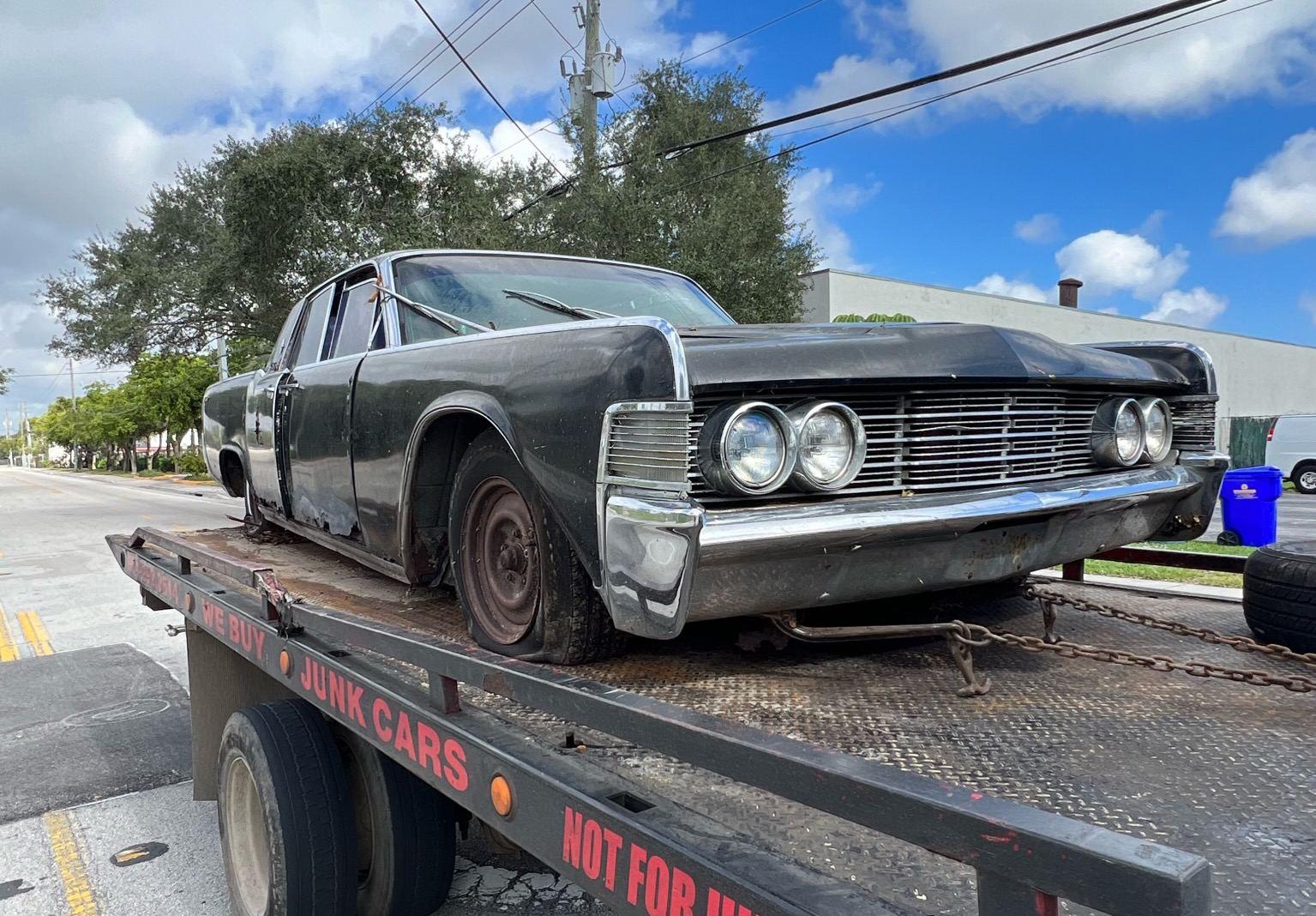
Stored and seasonal vehicles are the highest risk. If your car sat in a driveway or storage unit through the humid months, the odds of pest activity are real. The same storage risks apply to mold in a Florida car, which often arrives alongside rodent damage in vehicles left closed up too long.
A basic cleanout is worth doing. Remove nesting material from the engine bay and airbox, sweep out droppings from the cabin, and air the car out if you can. This is not about hiding anything. It is about letting the buyer complete an inspection without wading through debris, which keeps the process smooth and the offer honest.
What you should not do is spend money on repairs. Replacing a chewed harness on a car you plan to sell as-is is money you will not recover. Disclose what you found, show the buyer the damage plainly, and let the condition be reflected in the price. Buyers who purchase recently purchased vehicles like yours have seen this damage many times and price it without surprise.
Urine and nesting odor can be persistent. Sometimes professional detailing and an ozone treatment clear it; sometimes the smell has soaked into the headliner, carpet padding, and HVAC ducts, and it never fully leaves. If the odor survives a thorough cleaning, that is simply part of the car's condition, and sellers should not keep throwing money at a problem that only matters to private buyers anyway.
This is one of the clearest cases where the as-is buyer has the advantage. Cash buyers price the vehicle on its mechanical and salvage value, and a lingering smell is a detail to them, not a disqualifier. If the car no longer runs because of chewed wiring, the buyer tows it, and the smell never enters the negotiation at all. The pickup process is designed for exactly this kind of vehicle.
If pickup is scheduled within a day or two, prevention barely matters. For longer waits, simple steps help: park away from dense landscaping, remove food sources like drive-through bags from the cabin, and consider rodent repellent pouches in the engine bay. These are delay tactics, not cures, but they protect whatever value is left while you finalize the sale.
The offer reflects the damage the same way it reflects any major repair: the buyer estimates what the car is worth fixed, subtracts the repair cost, and makes an offer on the remainder. A car with one chewed sensor wire prices very differently from a car whose entire harness is destroyed. Being specific about what you know, and honest about what you do not, helps the buyer give you an accurate number the first time.
To get started, request an online junk car quote and mention the rodent damage in your description. Photos of the chewed areas help. If you want the car gone quickly, most sellers sell their car fast to a local buyer who handles the towing and pays cash on the spot. If you are weighing repair against selling, our guide to selling a car as-is walks through the same decision math in more detail.
FAQ
Call 954-787-5717 for a cash offer. Free towing, cash on the spot, pickup usually within about an hour.
954-787-5717
 954-787-5717