No title? No problem in most cases. Free towing, cash on the spot.
Published October 19, 2026 by Instant Money Junk Cars
To sell a car as is means the buyer accepts the vehicle's current condition with no warranties and no promises about its mechanical state. What you see is what you get. The term sounds simple, but buyers and sellers often mean different things by it, and the gap between those meanings is where disputes start. Understanding what as-is covers, and what it does not, protects both sides of the deal.
This is the practical seller's guide to as-is transactions: what the term means in the deal, how to price an as-is car, what disclosure still requires, and when fixing first beats selling as-is. Cash buyers specialize in as-is purchases across all conditions, which is why a fast as-is sale is the simplest path for cars with known issues.
It means the sale is final with respect to the car's condition. The buyer has had the opportunity to inspect, asks their questions, and accepts the car in its present state, known issues and all. After the sale, the buyer generally cannot come back demanding repairs or a refund because something broke, because the as-is term put them on notice that no promises were made about the car's mechanical future.
In practice, as-is is the standard language of the wholesale and junk market, and it is common in private sales of older vehicles too. It reflects a fair bargain: a lower price in exchange for the buyer taking the condition risk. Buyers who pay cash for cars in any condition operate entirely in as-is terms, which is why their process is so simple. There is nothing to warranty because nothing is warranted.
No. This is the most important distinction in the entire as-is concept. As-is covers unknown future issues and the general wear of a used car. It does not cover fraud. Deliberately hiding a known major defect, rolling back an odometer, or misrepresenting the car's history can still create legal trouble, as-is language notwithstanding. The term allocates honest risk. It does not license dishonesty.
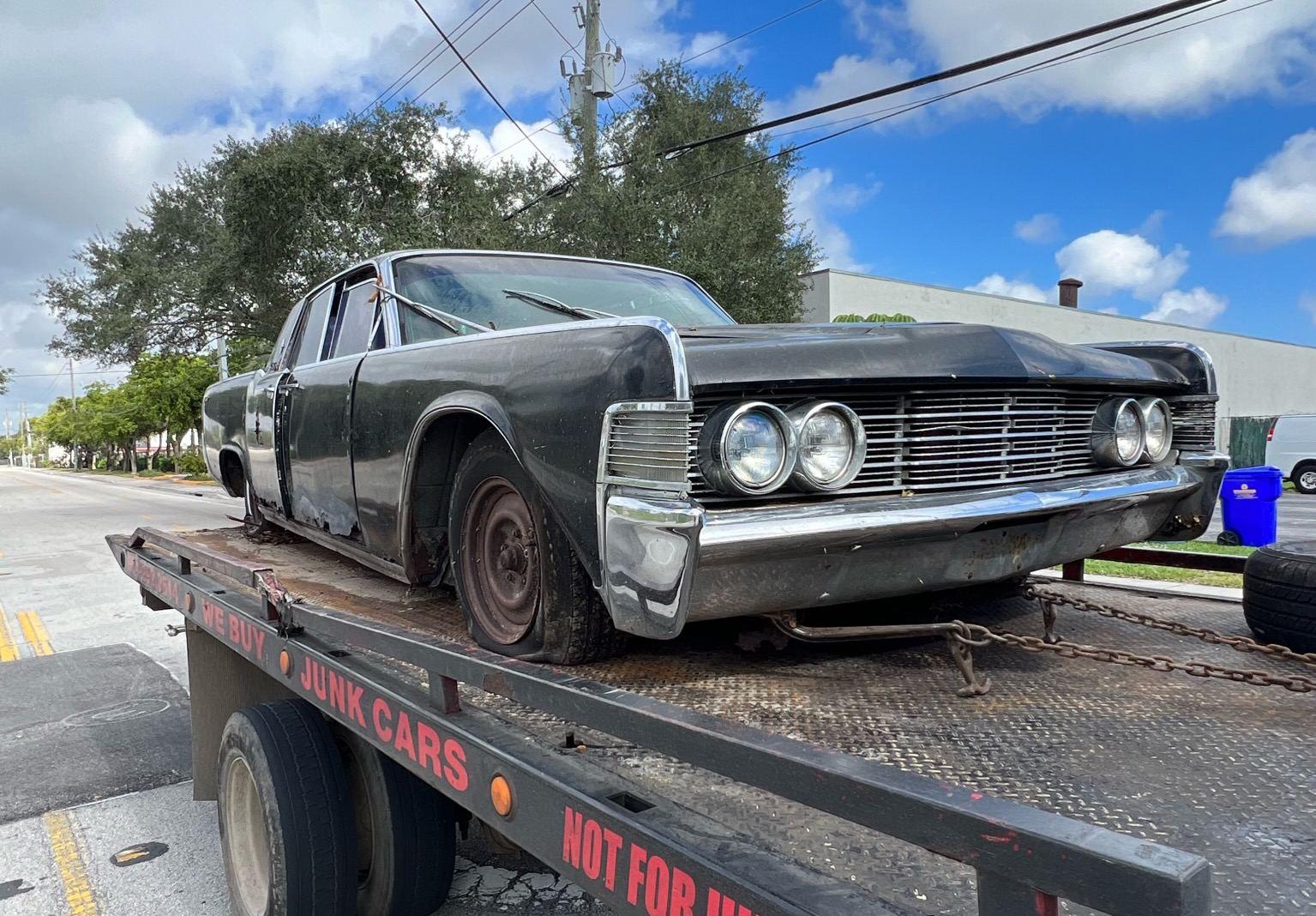
The safe practice is disclosure. Tell the buyer what you know is wrong, put it in writing on the bill of sale, and price the car accordingly. An honest as-is sale is one of the cleanest transactions in the car business, because both sides know exactly what they agreed to. Our guide to disclosing damage legally covers the specifics, and Florida as-is sale law explains what the statutes actually say.
In Florida, licensed dealers have disclosure obligations that private sellers do not, which is one reason dealer as-is sales still involve substantial paperwork. Dealers must follow state requirements around title brands, odometer disclosure, and certain safety representations regardless of as-is language. A dealer's as-is sale is as-is within a framework of regulatory obligations.
Private sellers operate with fewer formal obligations but the same fraud boundary: you cannot lie about the car. For private as-is sales, the documentation that matters is a clear bill of sale stating the as-is terms, an accurate odometer statement, and a signed title. Keep copies of everything. And if you would rather skip the private-sale paperwork entirely, selling to a cash buyer of running cars moves the whole transaction into professional hands with the as-is terms built in.
For older or high-mileage cars, selling as-is is usually the better math. Repairs rarely return their cost at sale time: a $1,200 transmission job on a car worth $2,500 does not make it worth $3,700. It makes it worth roughly what it was worth, minus the months of hassle. The repair only pays when it moves the car into a genuinely different market, such as from non-running to running, and even then the math deserves a hard look.
The exception is cheap fixes with visible impact on private-party appeal: a dead battery, a burned-out headlight, or a thorough cleaning. These cost little and remove objections. Expensive mechanical work on an old car is almost never recovered. Check what similar as-is cars brought in recently purchased vehicles, and if the numbers confirm that repairs will not pay, sell as-is with a clear conscience. Our Florida lemon law guide is worth a read if you are unsure where warranty obligations end and as-is begins.
A simple decision rule: if the repair costs more than a third of the car's as-is value, sell as-is. Below that threshold, get a quote for the repair and a quote for the car as it sits, then compare the repaired value honestly. Most sellers who run both numbers discover the repair was an emotional decision, not a financial one.
Cash buyers specialize in as-is purchases across all conditions, which is why the term is standard in the junk and wholesale market. They price the car's reality, pay cash on the spot, tow free, and handle the paperwork. There is no inspection to fail because the as-is price already accounts for the condition, and there is no negotiation over flaws that were disclosed upfront.
This is the right buyer when the car has issues you do not want to fix, when you want the sale closed this week, or when you simply prefer a professional transaction to a private one. Sellers who chose this path describe it consistently in our reviews: honest number, fast pickup, cash paid. Call 954-787-5717, describe the car exactly as it is, and get a firm as-is offer with no repair list attached.
FAQ
Call 954-787-5717 for a cash offer. Free towing, cash on the spot, pickup usually within about an hour.
954-787-5717
 954-787-5717