No title? No problem in most cases. Free towing, cash on the spot.
Published October 19, 2026 by Instant Money Junk Cars
If you owe more than your car is worth, selling still works, but the gap does not disappear on its own. Someone has to cover the difference between the loan payoff and the sale price, and understanding that before you decide is what keeps an underwater sale from turning into a surprise.
You have three realistic paths: sell the car now and settle the difference, trade it in and roll the gap into the next loan, or keep the car and pay the loan down until the numbers flip. Each one has honest tradeoffs, and the right choice depends on your payoff, the car's value, and what you need the car for. This guide lays out the math for all three.
Negative equity means your loan payoff is higher than the car's current market value. If you owe 14,000 dollars and the car is worth 11,000, you are 3,000 underwater. It happens easily: cars depreciate fastest in the early years while loan balances drop slowly, especially with longer loan terms or a small down payment. Rolling an old loan's balance into a new loan stacks the gap even higher.
The first step is pinning down both numbers. Get a written payoff quote from your lender, then get real offers on the car, because guessing either number leads to bad decisions. Comparing a dealer trade-in against selling outright is useful here, since the two numbers are often different and the gap changes with each.
Selling with negative equity means you bring cash to the table to close the loan. Using the example above, the buyer pays the lender directly, and you pay the 3,000 dollar difference so the lender receives the full payoff and releases the lien. Once the loan is closed, you walk away with no car and no loan, which is a clean break that many people underestimate the value of.
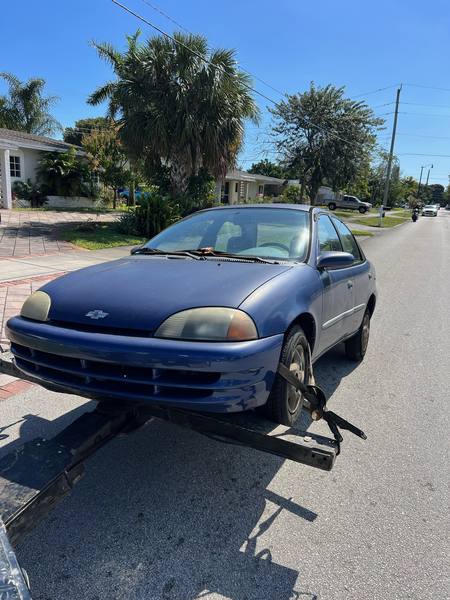
The upside is finality: no more payments, no more insurance on a car you do not want, and no interest compounding on an underwater balance. The downside is the out-of-pocket cost right now, which stings. This path makes the most sense when the gap is manageable, the car is costing you in repairs or insurance, or you simply need out. If you go this route, check whether you are owed money back on extras, because a gap insurance refund when you sell can shrink the real cost of closing the loan.
Trading in rolls the gap into your next car loan. The dealer pays off the old loan, adds the remaining balance to the new loan, and you drive away with one payment. It feels painless because no cash changes hands, but you are financing two cars' worth of debt on one car, which usually puts you underwater on the new loan from day one. It is a fair tool when you genuinely need a different vehicle, but it is an expensive convenience.
The one genuine advantage of trading in Florida is the sales tax credit: you typically pay sales tax only on the difference between the new car's price and the trade-in value, which saves real money on the tax bill. Our breakdown of the Florida trade-in tax credit shows how that works. Weigh that saving against the cost of carrying the rolled-over gap, and be honest about whether the new car is a need or a way to postpone the math.
Keeping the car is usually the cheapest option in pure dollars. Every payment shrinks the loan while depreciation slows down, so the gap closes over time and eventually flips. If the car runs reliably, meets your needs, and the payment fits your budget, driving it until you owe less than it is worth is the financially quiet path. You are not paying to exit; you are paying down a balance that gets smaller every month.
Keeping makes less sense when the car is draining you: frequent repairs, high insurance, or a payment that is squeezing everything else. There is also the risk case: if you are falling behind on payments, waiting can turn negative equity into a repossession, which costs more and damages your credit far worse than a planned sale. Our guide to selling your car before repossession covers that timing decision.
Before you commit to any path, get three things from your lender: the exact payoff quote and how long it is good for, whether there are any prepayment penalties or fees for closing the loan early, and how quickly the lien release is transmitted after the final payment. These answers change the timing and the true cost of selling, and most lenders provide them in one phone call.
Also ask about any refundable products tied to the loan, such as gap insurance or an extended warranty, since canceling them at payoff can return money that offsets the gap. Then get your real numbers on the car itself. Skipping the dealership and selling direct gives you the clean outright number to compare against the trade-in figure, and with all three paths priced honestly, the decision usually makes itself.
FAQ
Call 954-787-5717 for a straight cash offer on your car. Knowing the real number is the first step to deciding whether selling, trading, or keeping makes sense.
954-787-5717
 954-787-5717