No title? No problem in most cases. Free towing, cash on the spot.
Published October 19, 2026 by Instant Money Junk Cars
If you are trying to sell your car before repossession happens, you are making the right call and the clock matters. As long as the car is still in your possession, you can sell it: the proceeds pay the lender first, and whatever remains is yours. Once the repo truck takes it, you lose control of the price, the auction sets the value, and the deficiency that follows can haunt you for years. Here is how to sell in time.
This is general information, not financial or legal advice. Your loan agreement controls the specifics, and a nonprofit credit counselor or attorney can advise on your situation. What follows is the practical playbook for converting a car you cannot afford into a closed loan instead of a repossession.
Yes, as long as you still possess the car and hold the right to sell it. Being behind on payments does not transfer ownership to the lender; the lien gives them a security interest, not the keys. You sell the car, the buyer or the closing process pays the lender the payoff amount, the lien is released, and the title transfers. Any amount above the payoff is yours.
The mechanics are the same as any financed sale, just on a tighter timeline. Our page on selling a car with a loan explains how the payoff and title release coordinate at closing. Start by getting two numbers: the lender's payoff figure and the car's realistic sale value. The payoff figure is usually good for ten to thirty days; ask for the expiration date in writing. The sale value comes from quotes based on an honest description of the car's condition. With both numbers in hand, you know whether the sale covers the loan, leaves you a surplus, or requires you to bring cash to closing. Making this comparison takes an afternoon, and it replaces anxiety with a plan. The key step is getting an accurate payoff figure from your lender, which is usually good for a set number of days. Get that number first, then get your offers, so you know exactly where you stand.
You lose every advantage. The lender sends the car to auction, where it typically sells below market value. Repo fees, towing fees, storage fees, and auction costs get added to your balance. The lender subtracts the net auction proceeds from what you owe, and the remaining deficiency becomes a debt they can collect, sometimes for years. Your credit takes the repossession mark on top of the missed payments.
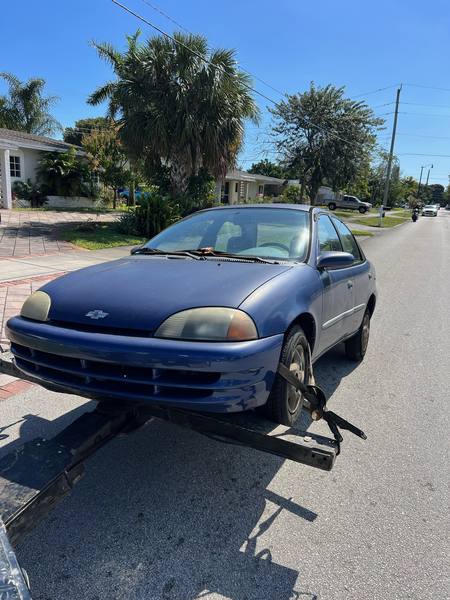
This is the outcome that selling prevents. Even a sale at a modest price usually nets more against the loan than an auction, because there are no repo fees and the price reflects a competitive offer rather than a wholesale dump. If you are also considering simply handing the keys back, read our comparison of voluntary repossession versus selling first; the math is not close.
A local cash buyer can often complete the purchase the same day you call. The process is built for speed: a quote based on your description, a brief verification at pickup, cash on the spot, and the car towed away. Compared with a private sale, which takes weeks of listings, showings, and buyer financing fall-throughs, the direct route is the only one that fits a repossession timeline.
Do not wait for the perfect offer while the lender's timeline advances. The difference between a good cash offer today and a slightly better hypothetical offer next week is usually smaller than the cost of another missed payment and the risk of the repo order being issued. If you want the car gone without coordinating schedules around work, you can sell a car without an appointment and have it picked up from your driveway.
Then you need to cover the gap, and you should face that number now rather than after an auction makes it bigger. Options include paying the difference from savings, negotiating a short payoff with the lender, or in some cases arranging the sale with the lender's cooperation where they accept the proceeds and handle the remainder separately. Lenders often prefer a guaranteed payoff today over the cost and uncertainty of repossessing.
Our page on upside-down car loans walks through these options in detail, including when a lender will negotiate and what to ask for. Even when you have to bring money to the closing, selling usually leaves you better off than the deficiency balance that follows a repo auction. Get the payoff figure, get the car's value, and do the subtraction with real numbers instead of dread.
Yes. Coordinating with the lender keeps the title transfer clean and avoids surprises at closing. Tell them you are selling the vehicle and ask for the payoff amount and the process for releasing the lien. Most lenders handle third-party payoffs routinely and will tell you exactly what the buyer needs to bring. This is a normal conversation for them, not a confession.
Then move. Get an online junk car quote now, and read how instant cash offers work so you know what happens at pickup. See how junk car pickup works, then sell your car fast with free towing and cash paid on the spot. Call 954-787-5717. Every day you wait, the lender's options grow and yours shrink.
FAQ
Call 954-787-5717 for a cash offer. Free towing, cash on the spot, pickup usually within about an hour.
954-787-5717
 954-787-5717