No title? No problem in most cases. Free towing, cash on the spot.
Published October 19, 2026 by Instant Money Junk Cars
If you are behind on car payments and weighing voluntary repossession vs selling the car yourself, understand this first: a voluntary repo is still a repossession on your credit, and it usually leaves you owing money anyway. Selling the car yourself almost always beats handing back the keys, because you control the price and the lender's auction does not. Here is the full comparison, without judgment and without hype.
This is general information, not financial or legal advice. Loan contracts differ, and deficiency rules have state-specific details, so talk to an attorney or a nonprofit credit counselor about your situation. The math below, though, is the same math lenders use, and it favors the seller who acts early.
Voluntary repossession means contacting your lender and returning the car because you cannot keep up with payments. It avoids the tow truck in your driveway and the awkwardness of an involuntary pickup, which is why it feels like the responsible choice. On your credit report, however, it is still coded as a repossession. Future lenders reading your report see the same derogatory mark either way.
The "voluntary" part changes the logistics, not the consequences. You do not avoid the deficiency balance, you do not avoid the credit damage, and you do not get to set the price the car sells for. All you have done is chosen the manner of surrender. Before you make that call, it is worth understanding what happens if you sell your car before repossession instead, while the choice is still yours.
Because of who sets the price. When you surrender the car, the lender sells it at wholesale auction, where prices are typically well below what a motivated private seller or a competitive cash buyer would pay. The lender then subtracts that auction price, plus repossession fees, storage fees, and auction costs, from your loan balance. The remaining deficiency is your debt, and lenders do collect it, sometimes through collections and sometimes through lawsuits.
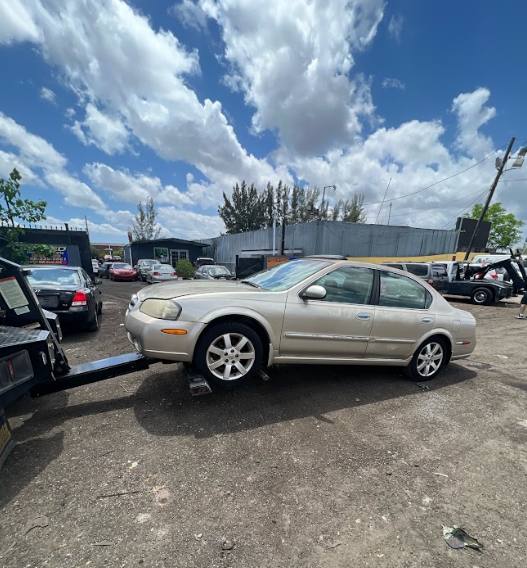
When you sell the car yourself, you capture the retail or competitive-cash value instead of the auction value, and there are no repo fees stacked onto the balance. The gap you have to cover shrinks, and in some cases disappears. There is also a negotiation most borrowers never try: asking the lender for a short payoff. Lenders know repossession is expensive, with tow fees, storage, auction commissions, and staff time eating into recovery. A borrower who calls before defaulting and offers a guaranteed sale payoff is offering the lender a cheaper outcome. Some lenders will accept slightly less than the full balance to close the account cleanly, or agree to a payment plan on the remainder. You lose nothing by asking, and the worst answer leaves you exactly where a voluntary surrender would have. If you owe more than the car is worth, our page on upside-down car loans lays out the options for covering the difference, including negotiating directly with the lender, who often prefers a guaranteed payoff over the cost and uncertainty of a repo.
Very likely. The deficiency balance is the norm, not the exception, after a voluntary surrender. Between the low auction price and the fees added to your account, borrowers are often surprised to learn they still owe thousands after giving up the car. That debt can follow you for years through collections, and in some states lenders can pursue a judgment for it.
Compare that with a sale you control. Even if the sale does not cover the full loan balance, the shortfall is typically smaller, it is settled on your timeline, and you chose it with eyes open rather than discovering it in a collections letter. This is the core financial argument, and it is why credit counselors generally advise selling over surrendering when the car has meaningful value. The deficiency math is also covered in our broader look at whether to keep or sell a totaled car, where the same auction-versus-market logic applies.
Marginally at best. Both voluntary and involuntary repossessions are serious derogatory marks that stay on your credit report for up to seven years. Scoring models may treat the voluntary notation slightly better, but the difference is small compared with the damage of the missed payments that led there. The real credit saver is not choosing the nicer repo; it is satisfying the loan, which a sale can accomplish and a surrender cannot.
If rebuilding is the goal, the sequence that works is: sell the car, pay the lender everything the sale allows, negotiate or settle any remainder, and then rebuild with on-time payments on your remaining obligations. A closed account with a settled balance ages better than an open deficiency in collections. None of this requires perfect credit or a perfect outcome, only action before the lender acts for you.
Quickly. Every missed payment deepens the hole: late fees accumulate, the loan balance barely moves, and the car's value typically declines while it sits. Lenders also have their own timelines, and once the repossession order is issued, your window to sell on your terms closes. Acting this week instead of next month can be worth real money.
If the loan balance and the car's value are close, start with an online junk car quote to establish the floor, and read our page on selling a car with a loan to understand the payoff mechanics. See how junk car pickup works, then sell your car fast with free towing and cash paid on the spot. Our guide to how instant cash offers work explains the same-day process. Call 954-787-5717. Do not hand back the keys until you know what the car is worth in your hands.
FAQ
Call 954-787-5717 for a cash offer. Free towing, cash on the spot, pickup usually within about an hour.
954-787-5717
 954-787-5717