No title? No problem in most cases. Free towing, cash on the spot.
Published October 19, 2026 by Instant Money Junk Cars
Retired police cruisers are cheap speed with a story, and they trade in a real enthusiast market. If you need to sell a retired police car, the honest pitch is the strong one: heavy-duty cooling, suspension, and electrical upgrades, offset by the hardest working life any sedan can live. Buyers who know these cars price them with eyes open, and so should you.
Ex-cruisers attract a specific crowd: enthusiasts who want a tough V8 sedan cheap, taxi and livery converters, and budget buyers who value durability over refinement. This guide covers what they are worth, the idle-hours reality that the odometer hides, what to disclose, the equipment-removal question, and how to sell one without drama.
Usually modest money. The heavy-duty equipment is real: upgraded cooling, charging systems, suspension components, and often desirable drivetrain combinations. But hard use offsets it. A cruiser lived its life at full throttle, at idle for entire shifts, and over curbs and medians. The market knows this, so ex-police cars price below comparable civilian models in similar visible condition.
The spread is wide. A clean, lower-mileage cruiser with service records can bring solid enthusiast money; a high-mileage example with a tired interior and warning lights is a budget beater priced accordingly. If you want the as-is floor for your specific car, an online quote gives you a firm number in minutes. The vehicles we have recently purchased show how former fleet and service vehicles move through the as-is channel every week.
Yes, and this is the single most misunderstood number on an ex-cruiser. An engine with 150,000 miles and 8,000 idle hours has lived a much harder life than the odometer suggests: idling wears engines without moving the odometer, loads the cooling system, and ages every accessory. Many departments track idle hours in the computer, and informed buyers will ask. If you can pull the number, have it ready; if you cannot, say so plainly.
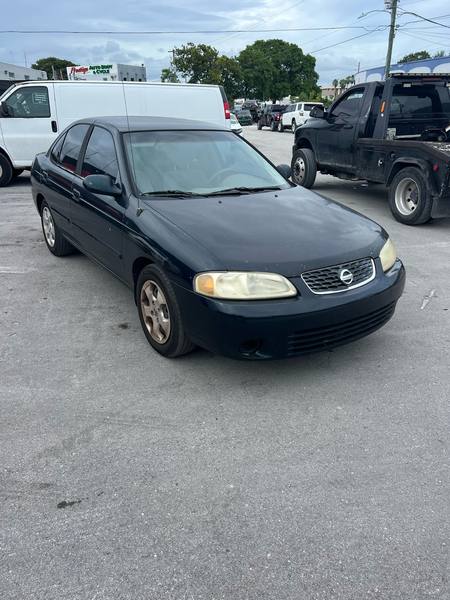
Frame the car honestly around total wear, not just mileage. A cruiser with documented fleet maintenance and reasonable idle hours is a fundamentally different proposition from one with unknown history and a sagging headliner. Enthusiast buyers know exactly what to ask, and straight answers build the trust that closes the sale. For cars where the wear has crossed into major-mechanical territory, our piece on selling a car that stalls covers the same sell-versus-repair decision.
Disclose idle hours, any remaining equipment holes, and the service history you have. Spotlight holes in the A-pillar, holes in the dash and console from removed radios and computers, trunk-mounted equipment scars, and push-bar mounting points are all standard on these cars. None of them are dealbreakers for the right buyer, but surprises at inspection are. Photos of the holes and the interior wear, sent before anyone travels, keep the transaction clean.
Cosmetic wear deserves the same honesty as mechanical wear. Sun-baked paint, worn seats, and tired trim are the norm on Florida service vehicles; our guide to selling a car with sun-faded paint in Florida covers how cosmetic condition factors into as-is pricing. And if the underside tells its own story, selling a car with frame rust in Florida explains how structural condition is evaluated.
Departments typically strip lights, sirens, radios, and computers before auction, but verify that nothing restricted remains before you sell. What usually stays behind are the mounting holes, wiring stubs, and brackets, which are legal to sell with the car but must be described accurately. If you bought the car at auction, check what the auction paperwork says was removed; if you bought it privately, inspect the trunk, console area, and headliner for anything the previous owner left.
A related caution: do not reinstall or display anything that impersonates emergency equipment. Selling the car with its holes and scars is fine; presenting it as an active police vehicle is not. Keep the sale factual, keep the equipment question answered in writing, and the transaction stays simple.
Enthusiasts buy the clean ones, taxi and livery converters buy the solid runners, and budget buyers take the rough ones as cheap transportation. Listing in enthusiast forums and marketplace groups finds the first group; the others find you through a straightforward for-sale ad with honest photos and the idle-hour number. Price it against other ex-service cars, not against civilian models, and the listing will move.
Do a little pricing homework before you accept an offer. Search recently sold ex-police cars of the same model and similar mileage, not civilian versions, and note how idle hours and equipment holes affected their prices. Auction results for decommissioned fleet vehicles are public in many cases and give you the wholesale floor. Then get two or three as-is quotes on your honest description and compare them against that range. If the quotes cluster near the auction floor and your car is clean, a private enthusiast listing may beat them; if they cluster above it, or the car has issues, the as-is number is already fair. Either way, you are deciding from data, not from hope.
The cash-buyer lane serves sellers who want speed or whose car is past the enthusiast market: high miles, warning lights, or mechanical issues that make a private sale a project. Selling fast through this channel means a firm offer, scheduled pickup with free towing if it does not run, and cash on the spot. Our Miami coverage includes these pickups routinely; see cash for junk cars in Miami. Call 954-787-5717 with the year, model, mileage, idle hours if known, and an honest condition report, and you will have a firm number either way.
FAQ
Call 954-787-5717 for a cash offer. Free towing, cash on the spot, pickup usually within about an hour.
954-787-5717
 954-787-5717