No title? No problem in most cases. Free towing, cash on the spot.
Published October 19, 2026 by Instant Money Junk Cars
The storage unit rent keeps rising and the car keeps sitting, and at some point the math becomes impossible to ignore. If you want to sell a car in a storage unit, the logistics are simpler than most owners expect: buyers collect from storage facilities regularly, the car does not need to run, and the pickup takes a single coordinated visit.
This guide covers the facility access, the paperwork, and the pickup logistics, plus the financial comparison that usually settles the question. A stored car is not an appreciating asset. It is a monthly bill attached to a depreciating one.
Yes, with coordination. The standard arrangement is that you contact the facility in advance, arrange gate access for the tow truck, and either meet the driver there or authorize the pickup ahead of time. Most facilities have a process for this; vehicle pickups from storage units are routine for both the facility and the buyer. Give the buyer the facility's address, the unit number, the gate hours, and any access codes or procedures when you schedule. The driver needs to know the truck can get in, reach the unit, and get out without surprises. When you request an online quote, mention the storage location upfront so the pickup is planned correctly from the first call. How pickup works covers the standard sequence, which applies at a facility the same as at a home.
That is the normal case for stored cars, and it changes nothing about the sale. Buyers tow non-running vehicles daily; the truck brings a winch or a flatbed, and the car does not need to start, roll freely, or even have inflated tires. Do not spend money trying to get a long-dormant car running before the sale. A jump start, a new battery, or a mechanic's visit will not return its cost in the offer, and cranking a long-dormant engine without preparation can cause damage. Describe the car's state honestly: how long it has been sitting, whether it ran when parked, and anything you know about its condition. For a deeper look at long-dormant vehicles, selling a car that has been sitting for years covers valuation and logistics in detail. Browsing recently purchased vehicles shows how many long-sitting cars move through the process every week. If the situation involves a second vehicle you are keeping, downsizing to one car covers the broader decision.
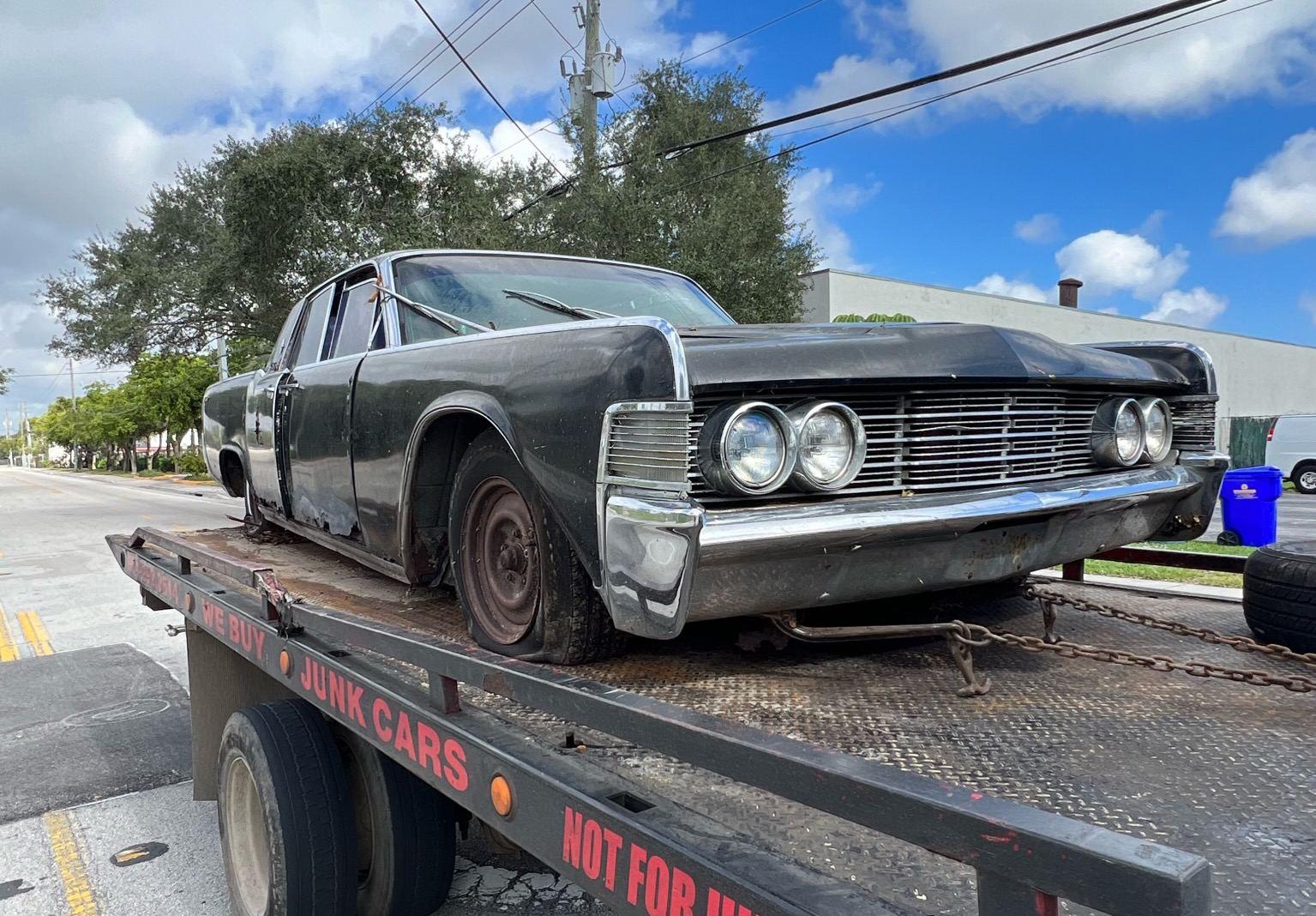
Only the car's path needs to be clear. The tow driver needs room to reach the vehicle, hook up, and pull it out, which means a clear lane from the unit door to the truck. You do not need to empty the unit or reorganize everything around it. Do clear the car itself: check the glove box, trunk, center console, and under the seats for personal items, documents, and anything of value, since everything left in the car goes with it. If the title is stored in the unit, find it before pickup day; the sale cannot proceed without it, and digging through boxes while the driver waits is avoidable stress. For cars with genuinely low miles despite the years, how low mileage affects an old car's value is worth a read before you accept the first number.
Run the comparison that settles it. On one side, the car's likely sale price, which you can establish with two or three written quotes. On the other side, another year of unit rent, plus insurance if you carry it, plus the continued depreciation of a car that is not being driven. In most cases the rent wins that math within months, not years. Owners often keep stored cars out of inertia or the vague plan to fix them someday; putting the numbers on paper breaks the inertia. Be honest about the sentimental case too: if the car belonged to a parent or marks a chapter of your life, that feeling is real, but it does not require a monthly storage fee to preserve. Photographs and a few meaningful parts cost nothing to keep, while the car itself keeps billing you. The exceptions are genuine collector cars and vehicles with documented appreciating value, and even those deserve an honest assessment of whether the storage cost is the best use of the money. If the car is one of several you are rationalizing, selling before buying your next car covers the timing logic that applies here too.
Confirm gate access with the facility the day before, and confirm the appointment window with the buyer. Arrive early enough to clear the car's path and do a final sweep for personal items. Have the title and your ID ready; if the title was in the unit, make sure it is in your hand, not in a box. When the driver arrives, verify the car matches the description, confirm the written quote stands, and complete payment before the car is loaded. Remove any parking permits or facility tags from the vehicle. Once the truck leaves, notify the facility that the vehicle is gone so your account reflects the change. When the logistics are handled, selling your car fast from a storage unit is no more complicated than selling from a driveway, and the monthly rent stops being your problem the same day.
FAQ
Call 954-787-5717 for a cash offer. Free towing, cash on the spot, pickup usually within about an hour.
954-787-5717
 954-787-5717