No title? No problem in most cases. Free towing, cash on the spot.
Published October 19, 2026 by Instant Money Junk Cars
The insurer's total-loss number feels low, and you are deciding between fighting the settlement or selling the car yourself. The total loss settlement vs selling the car outright is a comparison most owners never run properly, because the settlement arrives framed as a final number and the as-is option is never mentioned. In practice the settlement is a starting offer, the as-is market is real, and the right move is whichever nets you more once the deductible and the waiting are counted.
This guide explains how insurers calculate total-loss payouts, how to check whether the number is fair, the leverage that actually moves a settlement, and the situations where selling the wrecked car outright wins. No legal advice here, just the mechanics of the decision as they play out for Florida owners.
The core of the payout is the car's actual cash value, or ACV, just before the crash. Adjusters estimate this using comparable listings for similar vehicles in your market, then adjust for mileage, trim, options, and condition. From that figure they subtract your deductible and any deductions for prior damage or excessive wear. The result is the settlement offer. Two things worth knowing: the comps are chosen by the insurer's valuation vendor, and the adjustments are where most of the dispute lives. A car with 60,000 miles compared against comps with 110,000 miles is being undervalued by the gap, and that gap is your opening. If the crash was recent, the steps to take after a car crash include documenting the car's pre-accident condition, which becomes evidence later.
Ask for the valuation report. You are entitled to see how the insurer reached its number, and the report shows the comparable vehicles, the adjustments, and the deductions line by line. Check the comps first: same year, same trim, similar mileage, your market area. Then check the adjustments: did they credit your lower mileage, recent tires, or documented maintenance, or did they silently skip them? Pull your own comps from current listings to see whether the insurer's number sits inside the real market or below it. This is also the moment to compare against the third option. A cash buyer for totaled cars will give you a written as-is number, and if that number is close to the net settlement, the insurance negotiation may not be worth your time. Sellers weighing the broader decision should read the three options after a total loss, compared honestly.
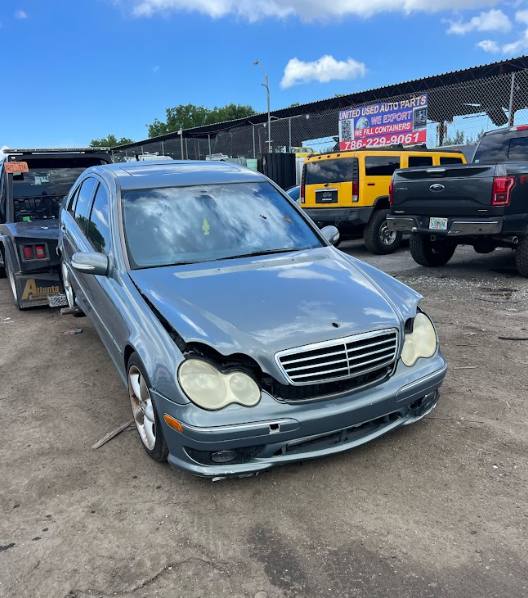
Settlements move on evidence, not emotion. The leverage that works: better comparable listings than the ones in the valuation report, documentation of recent maintenance and repairs, and proof of options or trim levels the adjuster missed. Present these calmly and in writing, and ask the adjuster to explain each discrepancy. If negotiations stall, most policies include an appraisal clause that lets you invoke an independent valuation, which changes the dynamic because the insurer now faces a binding outside opinion. Keep every communication in writing and keep your own timeline of the claim. One caution: do not authorize repairs or sign a release while the number is still in dispute. Once you sign, the negotiation is over. And if the car has a loan, remember the settlement goes to satisfy the lender first; how gap insurance refunds work when you sell is worth reading if you carried gap coverage, and extended warranty refunds may return money you did not know you were owed.
Selling outright wins in three situations. First, when the net payout after your deductible is underwhelming and a cash buyer offers something close to it without the weeks of adjuster back-and-forth. Second, when you carry only liability coverage and there is no claim to file for your own car, which makes the sale the only path. Third, when the claim timeline itself is the problem: after major storms, adjuster backlogs stretch settlements into months, and some owners rationally prefer money this week over a slightly larger number next quarter. The comparison is simple arithmetic: net settlement versus the as-is offer, with your time valued honestly. An online quote gives you the sale side of the equation in minutes, and selling a car after an accident covers the paperwork side of whichever path you choose.
No. The first number is an opening position, and owners who treat it as final leave money on the table more often than not. You can challenge the valuation, present your own comparables, invoke the appraisal clause, or walk away from the claim process and sell the car yourself. Each option has a cost in time and effort, so the decision is really about which path pays you the most per hour of hassle. Get the as-is number in writing before you decide, since it is the only alternative you can verify in minutes. How pickup works shows what the sale path looks like once you choose it, and selling your car fast is the route for owners who have run the numbers and want the situation resolved this week.
FAQ
Call 954-787-5717 for a cash offer. Free towing, cash on the spot, pickup usually within about an hour.
954-787-5717
 954-787-5717