No title? No problem in most cases. Free towing, cash on the spot.
Published October 19, 2026 by Instant Money Junk Cars
Being underwater on an auto loan does not trap you in the car. You can still sell, refinance, or pay down strategically, but every good plan starts with one number: the exact payoff on your loan. Without it, you are deciding on guesses.
This guide covers the realistic options for an underwater owner before selling: getting an accurate payoff, timing the sale, recovering money from gap insurance and warranties, and the questions to ask your lender before you sign anything. No invented rates, no lender promises, just the mechanics.
Ask your lender for a payoff quote with a good-through date. The payoff is the exact amount that closes the loan if paid by that date, and it is typically a little higher than the balance on your last statement because interest accrues daily. Lenders usually honor the quote for a set window, often around ten days, and they will tell you the accepted payment methods, which matters because some lenders are slower to process certain payment types.
Get it in writing and keep it next to the offers you collect on the car. The difference between the payoff and the best offer is your gap, and that single subtraction is the foundation of every option below. If you are collecting offers, our notes on shopping multiple cash offers will help you make sure each buyer is pricing the same car.
Yes, as long as the lender receives the full payoff. In a typical underwater sale, the buyer sends the offer amount to the lender, you cover the remaining difference, and the lender releases the lien. The sale cannot close until the full payoff lands, so plan to have the gap funds ready at pickup. Some sellers use savings, some use a short-term arrangement, and some time the sale to coincide with money they know is coming.
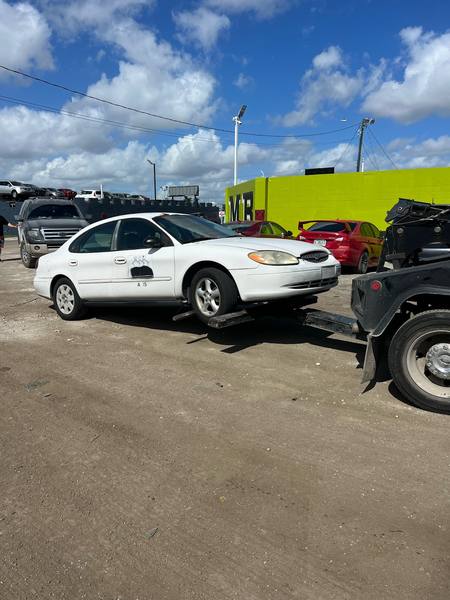
The key is that the gap is a known, fixed number once you have the payoff and the offer. Unknown gaps cause panic; known gaps are just a bill you can plan around. How you get paid when you sell a car explains the payment mechanics, including how the lender gets paid directly in a financed sale.
Yes, and do it before you need to. Ask for the payoff quote, ask about any prepayment fees, and ask how long the lien release typically takes after the final payment. Also ask whether the lender offers any hardship or restructuring options if payments are getting difficult, because lenders would generally rather work out a plan than repossess a car. You will not know what is available until you ask.
This call is also where you learn about refundable add-ons. Many underwater loans were sold with gap insurance, extended warranties, or credit life products, and several of these can be canceled at payoff for a prorated refund. Ask the lender or the product administrator directly what is refundable and how to claim it. Our article on the gap insurance refund when you sell walks through that specific recovery.
Often, yes. Gap insurance and vehicle service contracts are typically cancelable, and the unused portion is usually refunded on a prorated basis when the loan closes. On a loan you are exiting early, that refund can be meaningful, sometimes enough to noticeably shrink the gap you have to cover. The refund does not happen automatically in most cases; you have to request the cancellation, so put it on your sale-day checklist.
Keep the original contract paperwork, because the refund terms and the cancellation address are in there. If you bought the car at a dealership, the finance office that sold you the products can usually process the cancellation, but confirm the refund goes to you or to the lender and get the timing in writing. It is one of the few places in an underwater sale where money comes back to you.
The worst option is doing nothing while payments slip. An underwater loan that goes delinquent can end in repossession, which adds repo fees to the balance, leaves a serious mark on your credit, and still leaves you owing the deficiency in many cases. Every other option on this page, selling with a planned gap payment, trading with eyes open, or keeping the car and paying down, beats a repossession.
If payments are already behind, time matters more than perfection. Selling your car before repossession explains why acting early preserves more of your options. And if you are weighing the dealer route, comparing a trade-in against selling outright gives you both numbers before you choose.
Sooner is usually cheaper than later. Every month you keep an underwater car, interest adds to the payoff while depreciation chips at the value, so the gap you have to cover tends to grow rather than shrink. You also keep paying insurance on a car you plan to sell. Once you have decided to sell, moving quickly stops all three of those costs at once.
That said, do not rush past the paperwork. Get the written payoff quote first, line up your gap funds, and confirm the lender's payment process before you schedule the pickup. A sale that is fast and prepared closes cleanly; a sale that is fast and sloppy creates the exact surprises you were trying to avoid. The right pace is deliberate, not delayed.
FAQ
Call 954-787-5717 for a cash offer on your car. Once you know the real number against your payoff, your options become clear.
954-787-5717
 954-787-5717