No title? No problem in most cases. Free towing, cash on the spot.
Published October 19, 2026 by Instant Money Junk Cars
Warehouses close, operations downsize, and forklifts sit. A machine that earned its keep for twenty years becomes a parking problem, and the longer it sits, the less it is worth. If you need to sell an old forklift, the market is straightforward: commercial equipment buyers purchase them in running or non-running condition, priced on make, capacity, and state of repair.
Forklifts are not cars, and selling one works differently: no title in the automotive sense, no book value, and pickup that requires a trailer and loading equipment rather than a tow truck. This guide covers what buyers need to know, what your forklift is worth, how heavy-equipment pickup works, and the paperwork that closes the sale.
Yes. The used equipment market absorbs old forklifts continuously: smaller warehouses, contractors, farms, and export buyers all shop the secondary market. A running forklift with decent hydraulics and solid tires is a working machine with a working price. A non-running forklift still has value in its parts: masts, hydraulic components, counterweights, and engines for common models all have established demand.
The buyers in this space are commercial equipment specialists, not car lots. Our heavy equipment buying covers forklifts alongside the broader category, and commercial vehicle and equipment sales follow the same as-is logic as our vehicle purchases: condition described honestly, a firm offer, and pickup arranged by the buyer. If you also have yard equipment sitting idle, our tractor buying follows the same process.
Five facts drive the offer: make and model, lift capacity, fuel type, operating condition, and location with access details. The data plate, usually on the mast or the frame, carries the model, serial number, and rated capacity; a photo of it answers half the buyer's questions. Fuel type matters because propane, diesel, and electric machines serve different buyers and price differently.
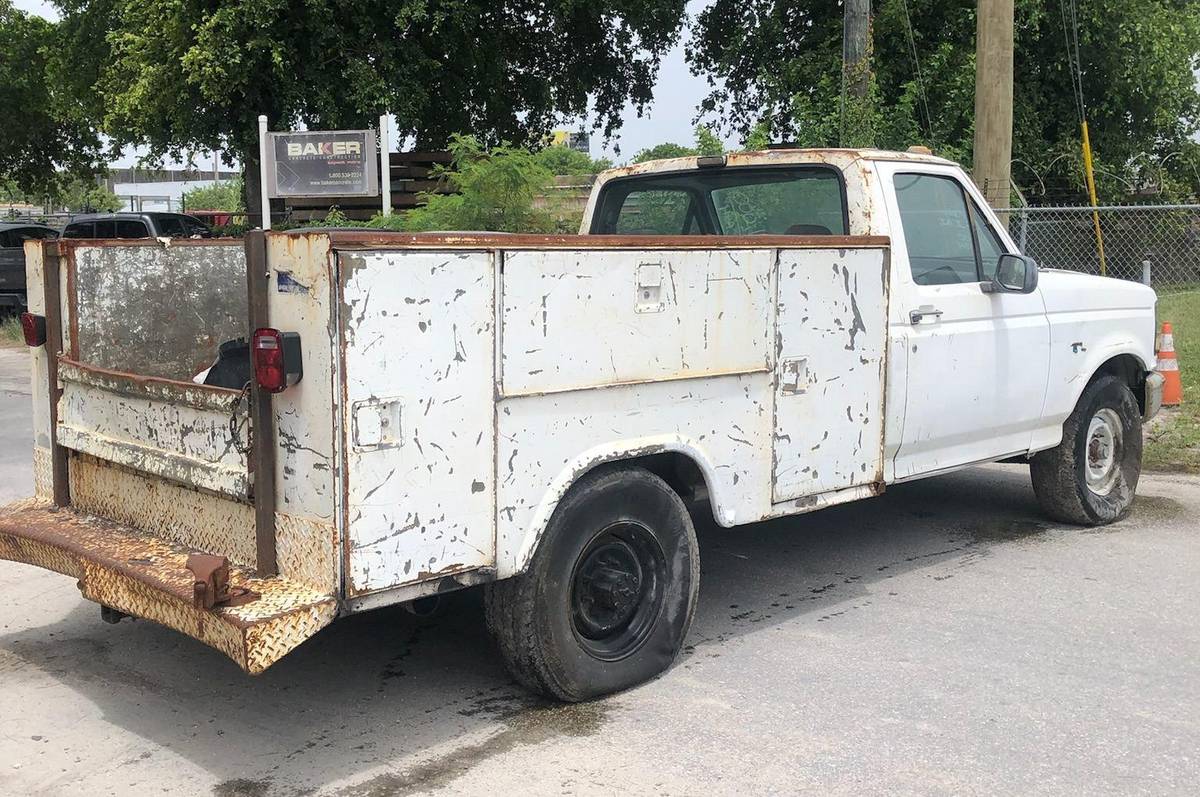
Condition reporting for a forklift is mechanical, not cosmetic. Does it start? Do the hydraulics lift smoothly under load? Do the brakes hold? Are the tires solid or pneumatic, and what shape are they in? Paint and seat condition barely move the number; function moves all of it. Take clear photos of the data plate, the mast, the forks, and the overall machine, and send them with your online quote request. For machines missing components, our article on selling with missing parts explains how partial machines are valued.
Running machines are priced as equipment: comparable used listings for the same make and capacity class, adjusted for hours, tire condition, and hydraulic health. Common makes with strong parts support hold value better because the buyer pool is deeper. Electric forklifts add a battery question: a healthy battery is an asset, a dead one is a significant cost, and the offer reflects which one you have.
Non-running machines are priced as parts donors and scrap weight. A dead forklift from a common line, with a good mast and straight forks, is worth real money to a parts buyer; an obsolete machine with a cracked mast is mostly steel. Either way, the number is a firm offer, not an auction estimate. Equipment values also move with broader commodity markets; our piece on how scrap prices affect your offer explains the mechanics without the hype.
The buyer arranges appropriate trailers and loading equipment; you do not need to transport it yourself. For a running forklift, that usually means driving it onto a tilt-bed or lowboy. For a non-runner, it means a winch, a crane truck, or a forklift brought to load a forklift, which happens more often than you would think. Your responsibilities are access and honesty: a clear path to the machine, accurate weight and size information, and someone on site who can confirm the sale.
Be realistic about the site. Low overhead wires, soft ground after rain, locked gates, and machines parked behind other equipment all affect the pickup plan; describing them upfront lets the buyer send the right rig the first time. Pickup is scheduled in a confirmed window, since heavy equipment moves on planning rather than the 1-hour turnaround offered for cars. The standard flow in how pickup works applies, scaled up to the machine.
A bill of sale is standard. Unlike cars, forklifts generally do not carry state titles, so ownership is established by the bill of sale plus whatever purchase records you have: the original invoice, auction paperwork, or lease buyout documents. If a business owns the machine, the signer needs authority to sell it, and the company name should appear on the bill of sale.
Photos do the heavy lifting on a forklift quote. Send the data plate, the mast and forks from both sides, the overall machine, the tire condition, and the hour meter if it has one. A short video of the mast raising under no load, or of the engine starting, answers more questions than ten more photos. If the machine does not start, say so plainly and photograph the engine compartment anyway; buyers price non-runners from the visible condition of the major components. Accurate media means the offer you receive is the offer that holds on pickup day, with no surprises when the trailer arrives.
If the forklift secures a loan or was part of a financed equipment package, confirm the lien is released before pickup day. Nothing stalls a sale like a lien discovered at handover. Once the bill of sale is signed and payment is in hand, cancel any equipment insurance and remove the machine from your property records. Selling quickly is available when a lease is ending or a property is changing hands; call with the data-plate photo and an honest condition report, and you will have a firm number to decide on.
FAQ
Call 954-787-5717 for a cash offer. Free towing, cash on the spot, pickup usually within about an hour.
954-787-5717
 954-787-5717