No title? No problem in most cases. Free towing, cash on the spot.
Published October 19, 2026 by Instant Money Junk Cars
A Toyota Corolla that has seen floodwater is still sellable, but flood exposure changes how a buyer values it. The Corolla's reputation for reliability breaks down once water gets inside the wiring and electronics, so a flood-exposed car is priced on its parts and platform value rather than as a dependable driver. Knowing what the water touched is what separates an honest, firm offer from a guessing game.
Corollas are common first cars in South Florida, and many of them have lived through tropical systems, king tides, and street flooding. Sellers often do not realize how much water a car has actually seen: a car that sat in six inches of water for an hour has a very different story from one that sat in two feet overnight. The details matter, and buyers will ask about them.
Start with your senses. A musty smell that returns after cleaning, silt trapped in trunk seams and under the carpet, foggy headlights with moisture inside, and corrosion on seat rails and under-dash brackets are the classic signs. Electrical gremlins that appear months after a storm, windows that work intermittently, warning lights with no clear cause, are another tell that water reached the wiring.
Pull back the carpet edge in the trunk and look for a water line or mud residue on the metal underneath. Check under the seats for rust on the rails and fasteners. These checks take ten minutes and tell you more about the car's history than the odometer does. If you find the signs, disclose them when you request an offer: hidden flood damage that a buyer discovers at pickup gets repriced harder than disclosed damage that was already factored in. Our breakdown of saltwater versus freshwater flood damage explains why the type of water matters as much as the depth.
Yes, and it is not close. Saltwater accelerates corrosion of wiring, connectors, and the floor pan in ways that keep getting worse long after the car dries out. Electrical faults from salt exposure can surface a year later, which is why buyers treat saltwater cars as permanently compromised. Freshwater damage can sometimes be remediated if it was shallow and addressed quickly, but saltwater damage usually ends the car's resale life as a driver.
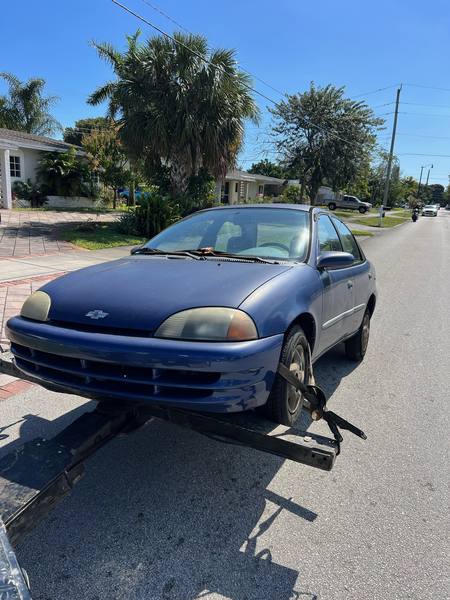
That distinction is exactly why sellers should describe the flooding accurately: where the car was parked, how deep the water looked, and whether it was coastal or inland water. A Corolla that caught shallow freshwater in a parking lot is a different valuation from one that sat in storm surge. Buyers price each scenario differently, and accurate details protect your offer from renegotiation.
It depends on your coverage and your deductible. If you carry comprehensive coverage and the damage clearly exceeds your deductible, a claim can pay out. But if the claim would pay less than your deductible, if you carry liability only, or if the car was already near the end of its life, an as-is cash sale is often the cleaner path: one phone call, same-day pickup, cash in hand, no adjuster, no waiting. The hurricane claim versus selling guide walks through that comparison step by step.
One caution: title washing is a real problem in Florida after storms, and it cuts both ways. If your Corolla carries a flood brand, disclose it; cash buyers purchase flood-titled cars regularly and price the brand in without drama. If you are buying a replacement, read how title washing works in Florida so you know what to check. And selling before hurricane season is worth considering if the car is already marginal: one more storm can turn a sellable car into a parts car.
Describe the water exposure honestly when you call: how deep, how long, salt or fresh, and what still works. Selling a junk Toyota Corolla takes a few minutes, the offer is built on the description you give, and pickup is free anywhere in Broward, Miami-Dade, or Palm Beach. Mold, dead electronics, and a branded title are all priced in as known factors, not surprises, and cash is paid on the spot before the car is loaded.
A Corolla that was dried out, had its carpets replaced, and runs normally is still a flood car in a buyer's eyes, and it should be disclosed as one. Repairs address the visible damage, but water in wiring harnesses and connectors leaves corrosion that surfaces months later, which is why buyers price the flood history itself, not just the current symptoms. Disclosing the history upfront keeps the offer firm; hiding it and letting the buyer find silt under the carpet at pickup does the opposite.
If an insurance claim was involved, have the paperwork handy when you call. A documented repair history tells the buyer exactly what was done and what was not, which removes guesswork from the valuation. And if the title was branded as a result of the claim, say so plainly: flood-branded titles are bought every day, and the brand is simply priced in as a known factor rather than treated as a surprise.
FAQ
Call 954-787-5717 for a cash offer. Free towing, cash on the spot, pickup usually within about an hour.
954-787-5717
 954-787-5717